


Sacred Liturgy
“What a spectacle for heaven and earth is not the Church at prayer! For centuries without interruption, from midnight to midnight, the divine psalmody of the inspired canticles is repeated on earth; there is no hour of the day that is not hallowed by its special liturgy; there is no state of human life that has not its part in the thanksgiving, praise, supplication and reparation of this common prayer of the Mystical Body of Christ which is His Church!”– Pope Pius XI, Caritate Christi compulsi, n. 17

Norbertine Canons and Canonesses
Consecrated for Divine Worship
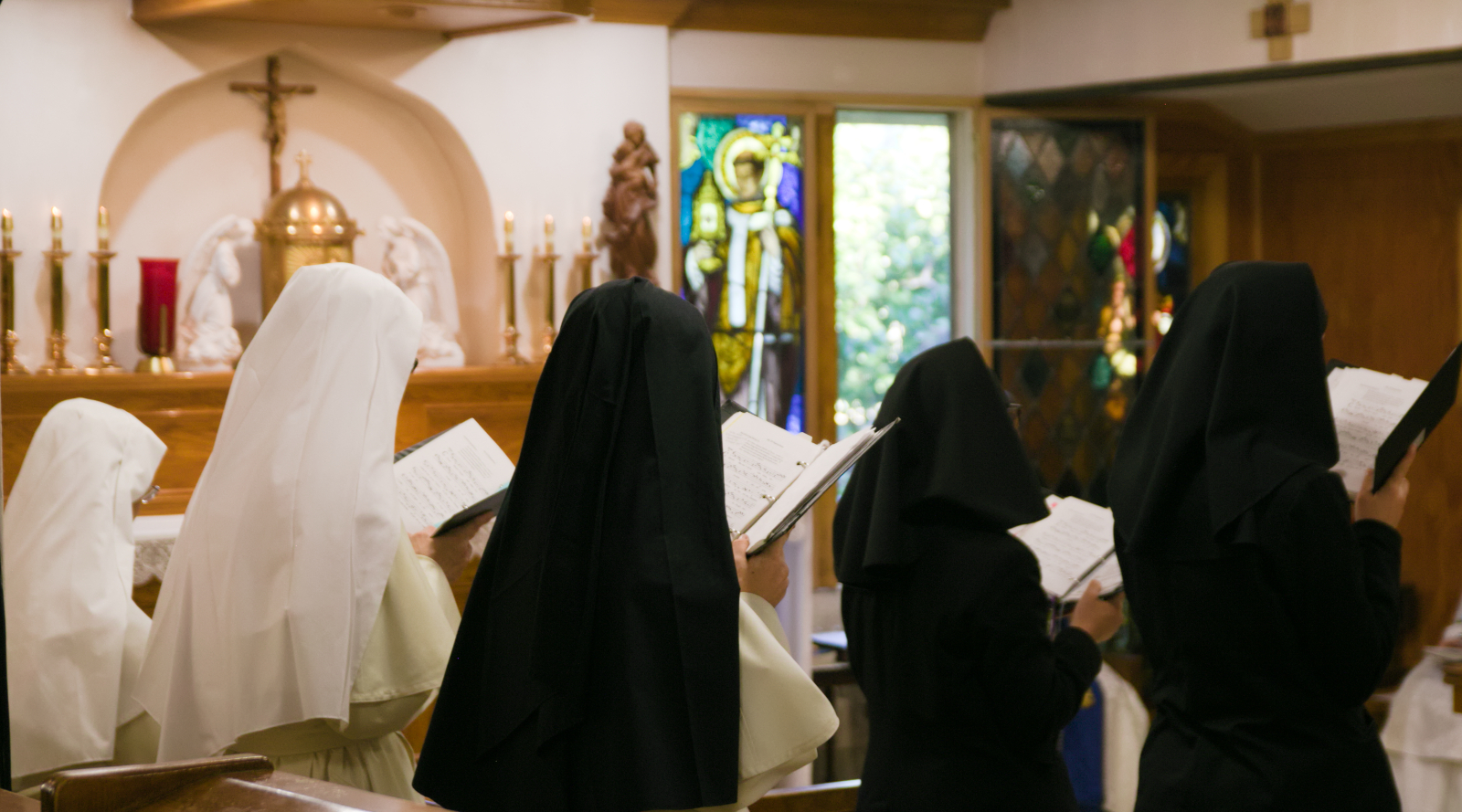
Canons and Canonesses Regular are religious consecrated to carry out the Church’s duty to worship God through the solemn and public choral celebration of the Sacred Liturgy in a specific church.
St. Norbert and his first companions were canons, and before coming together at Prémontré they had served in various churches from their youth. On Christmas Day 1121, in keeping with the tradition of canons to be dedicated to a church, they offered and dedicated themselves to the new church of the Assumption of the Blessed Virgin Mary and St. John the Baptist of Prémontré. By uniting a life of monastic austerity to the solemn canonical liturgy, they sought to attain the holiness fitting to their state, so as to celebrate the Holy Sacrifice of the Mass and the Divine Office in a truly worthy manner, with the reverence, dignity, and solemnity fitting for divine worship.
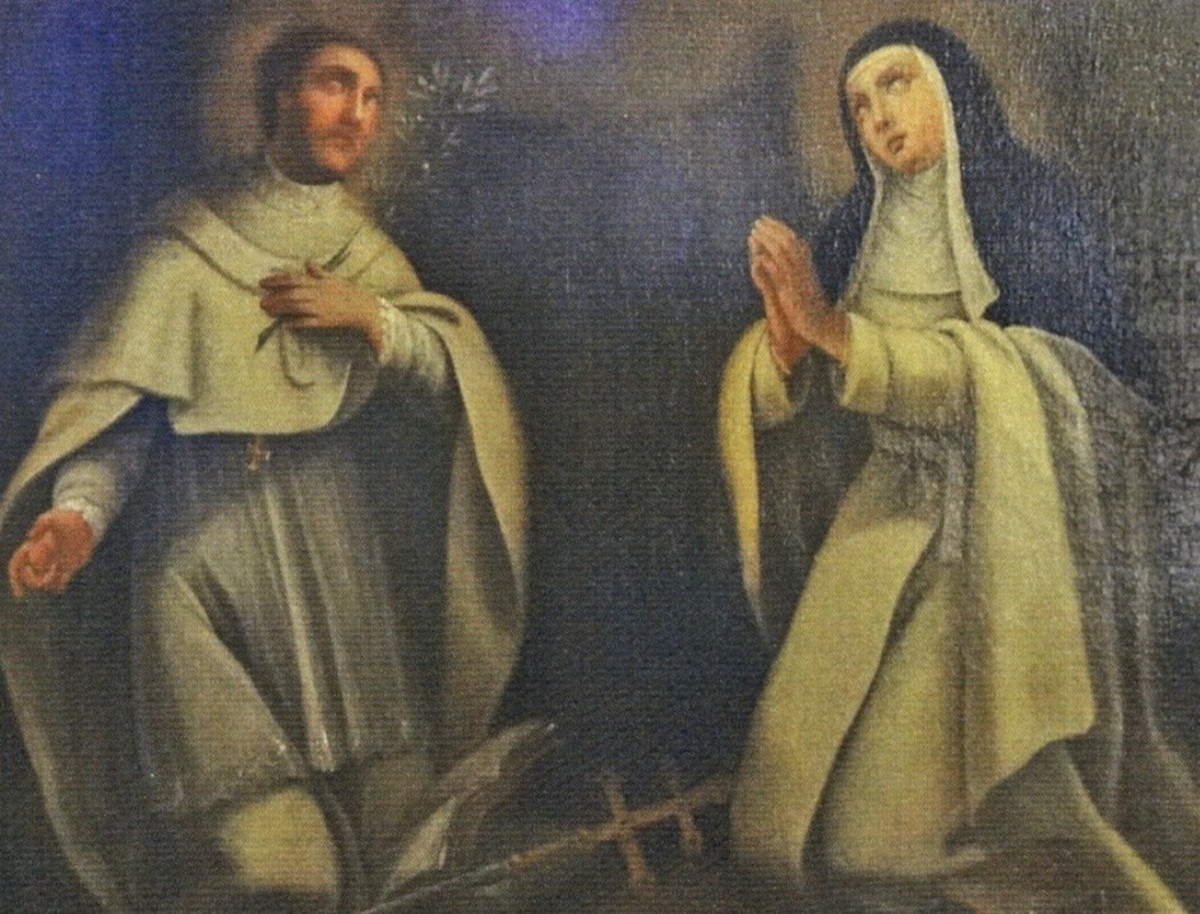
“The liturgy is the essential element in the life [of the Norbertine Canonesses]. They pray in the name of the entire Church and sing the praises of God in its name; they are the voice of the Bride that rises to heaven, expressing the love of the Church for God the Creator and Christ the Redeemer. In their personal prayer, they remain united to the Church in order to pray with the Church (orare cum Ecclesia). Through their contemplative life, they share in the direct apostolate of the priests and make it fruitful by their prayer.”– A Spiritual Directory of the Order of Prémontré
The Canonical Church
Ego, offerens, trado meipsam
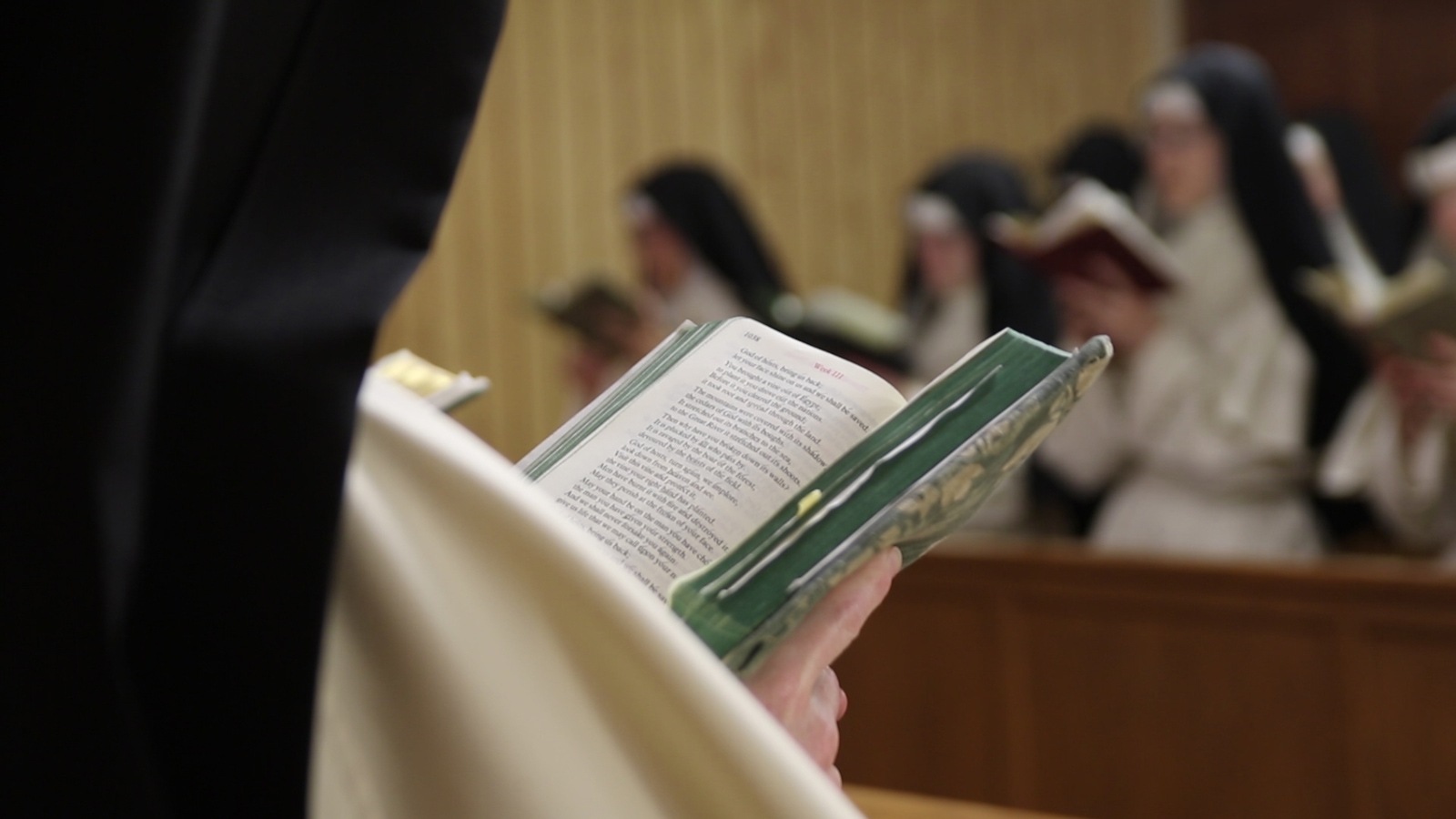
Following the ancient tradition of our Norbertine Order, our communities are called churches, taking their name from the church which they serve. On the day of her solemn profession, each sister offers and dedicates herself to the church in which she will serve as a canoness for the rest of her life. As cloistered canonesses of the Order of Prémontré, our first duty is to participate daily in the Holy Sacrifice and to chant the Liturgy of the Hours together in choir throughout the day and night in the name of the entire Church. But it is not just a duty: for the Norbertine canoness, the Sacred Liturgy becomes the wellspring of her spiritual life, the source of her fruitfulness, and her great joy.
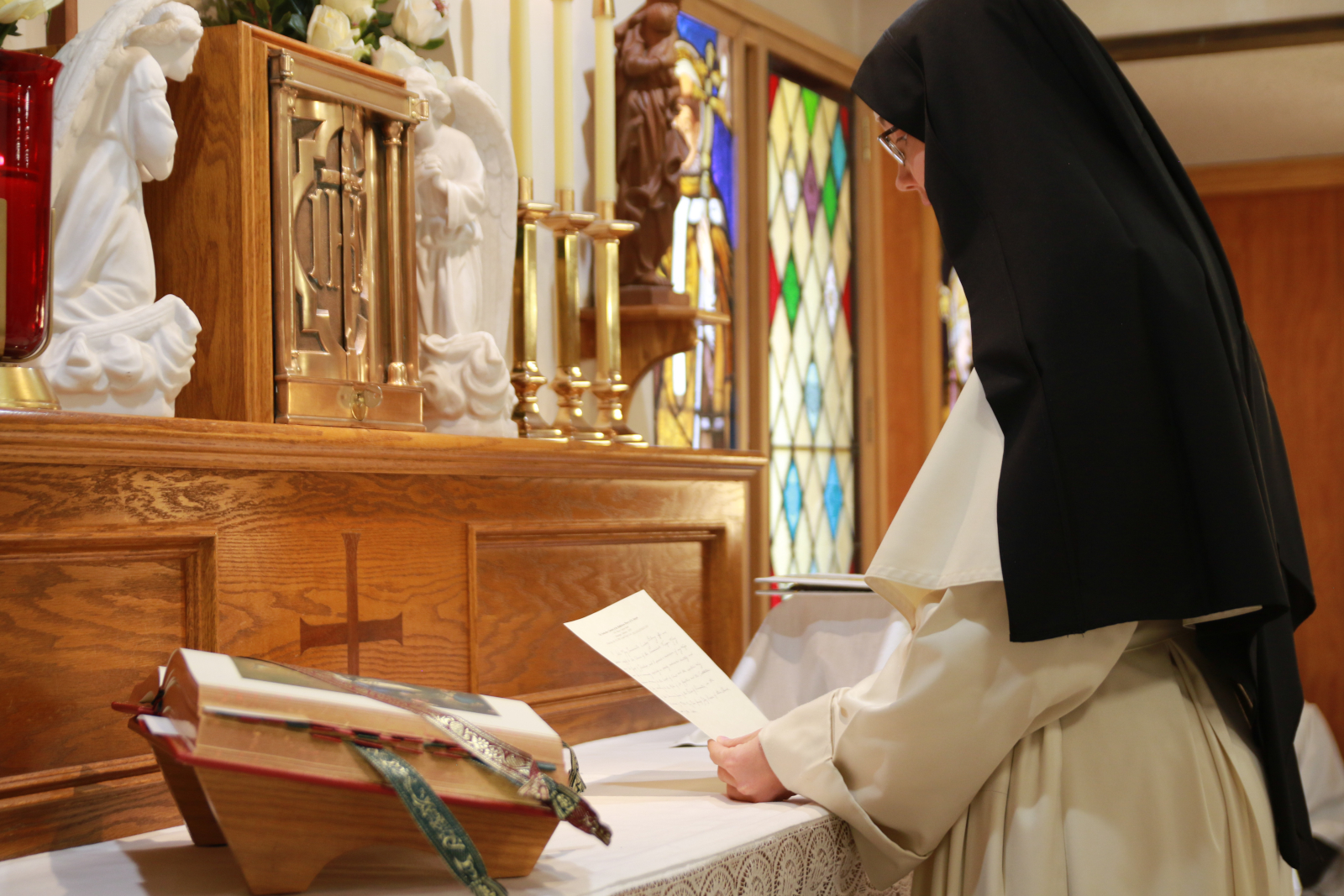
Here at the Bethlehem Priory of St. Joseph, the canonesses offer and dedicate themselves to the Church of the Immaculate Virgin Mary and St. Joseph of Tehachapi. In this “House of Bread,” as in all Norbertine communities, it is from our Eucharistic worship that we live and witness to the mystery of unity flowing from the Most Holy Trinity, through the Word Incarnate, into Christ’s Church (ecclesial communio).
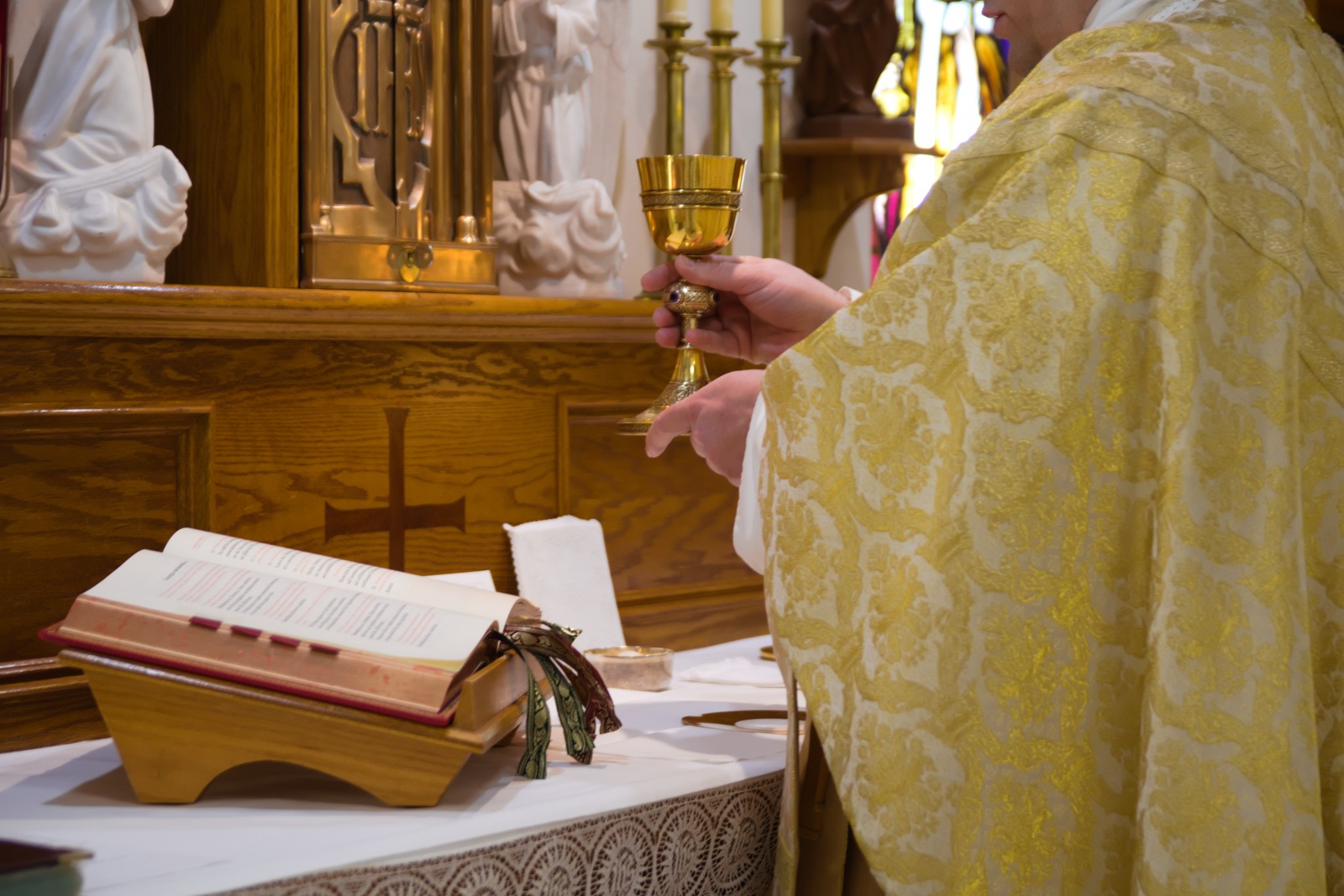
“Faithful to the spirit of ancient Christianity and, in particular, enlightened by the rite of their profession itself, in which they offered themselves at the altar during the offertory of the Mass, the first Premonstratensians were fully conscious that in the Mass we become victims offered together with Jesus.”– Rev. François Petit, 20th-Century Norbertine Canon and Historian
A Eucharistic Life
Ecclesia de Eucharistia
The Holy Sacrifice of the Mass was at the center of St. Norbert’s life and apostolate. It was during Holy Mass, or at least in close connection with it, that he accomplished his miracles. He breathed on a blind woman after receiving the Precious Blood at Mass and restored her sight; he carried out exorcisms within the context of Holy Mass; and he would celebrate the Eucharistic sacrifice before reconciling disputing parties, restoring peace and promoting the unity of the mystical body of Christ. At the heart of the spiritual patrimony that has come down to us from St. Norbert and his first companions is devotion to Eucharistic worship. As the Church draws her life from the Eucharist, so also Norbertine communities, as churches “in which the Church of Christ is truly present,” (Constitutions) hold the Eucharist as the center of all life and mission.

Since “Communion with divine life and the unity of the People of God are both expressed and effected by the Eucharist” (Compendium of the Catechism, 274), the Eucharist is the ultimate expression of unity with Christ and the Church. The Liturgy of the Hours (the Divine Office) in turn extends the praise and prayer of the Eucharistic Mystery through the day and the night. The fruit of the solemn dedication of Norbertine canons and canonesses to the Eucharistic Sacrifice and to the Divine Office is the ecclesial communio realized in our communities and beyond in the whole Church, which is the essence and mystery of the Church.
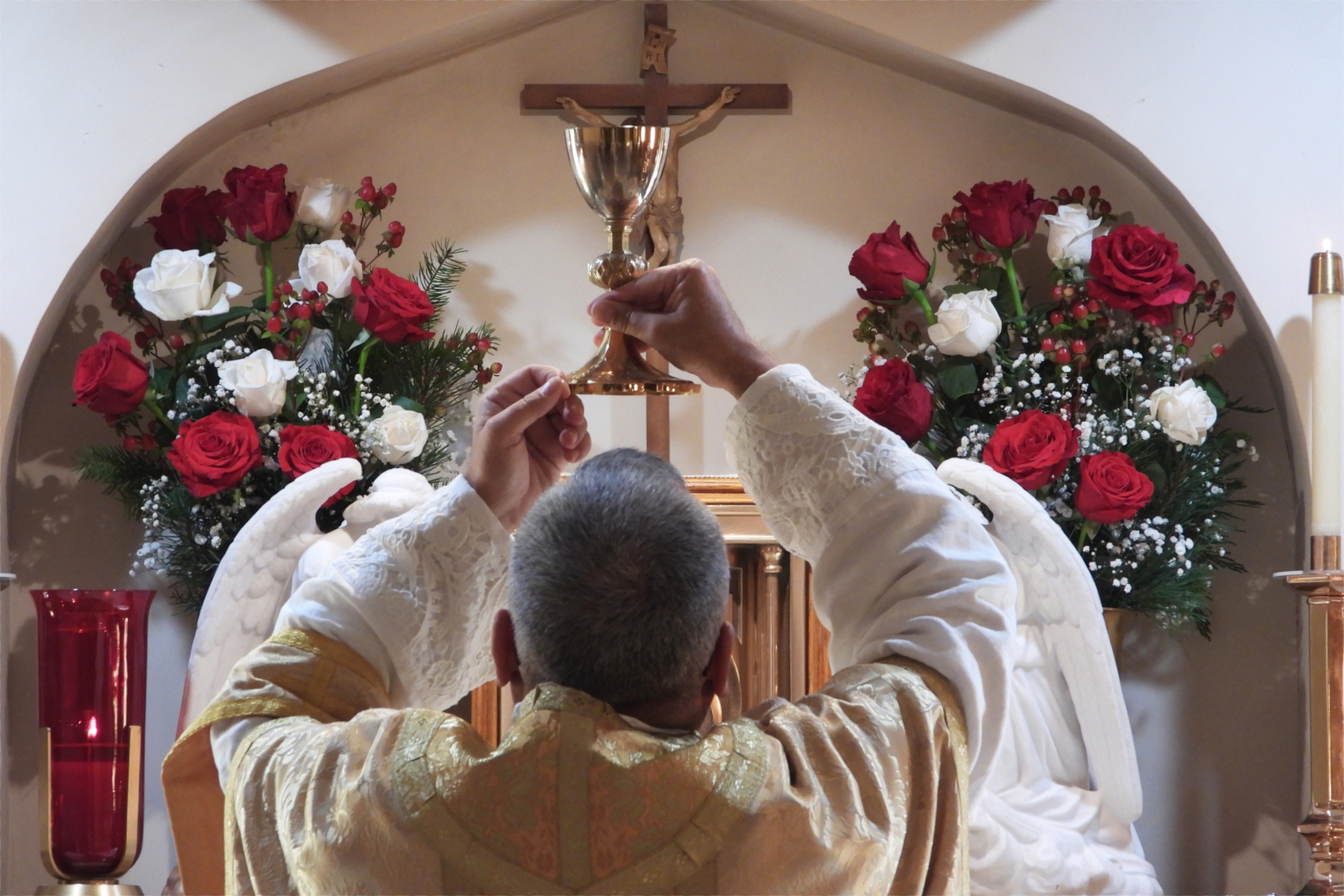
“Everything in the life of St. Norbert and his first disciples highlights the central place of the Eucharist. Set in the divine office, it is the heart of the canonical community, just as it was for the first Christian community in Jerusalem.”– Very Rev. Bernard Ardura, Norbertine Canon and Historian
The Voice of the Whole Church
In Medio Ecclesiae
The ecclesial nature of Norbertine communities is fully expressed when the laity participates in our public liturgies and our apostolic way of life. At Prémontré, St. Norbert and the canons celebrated the liturgy in the presence of the laity, many of whom even came to live in the precincts of the monastery so as to take part in the liturgy and the Vita Apostolica of the community. In St. Norbert’s lifetime, we already have the beginnings of the Norbertine Third Order — lay faithful who wished to live according to the spirit of Prémontré.
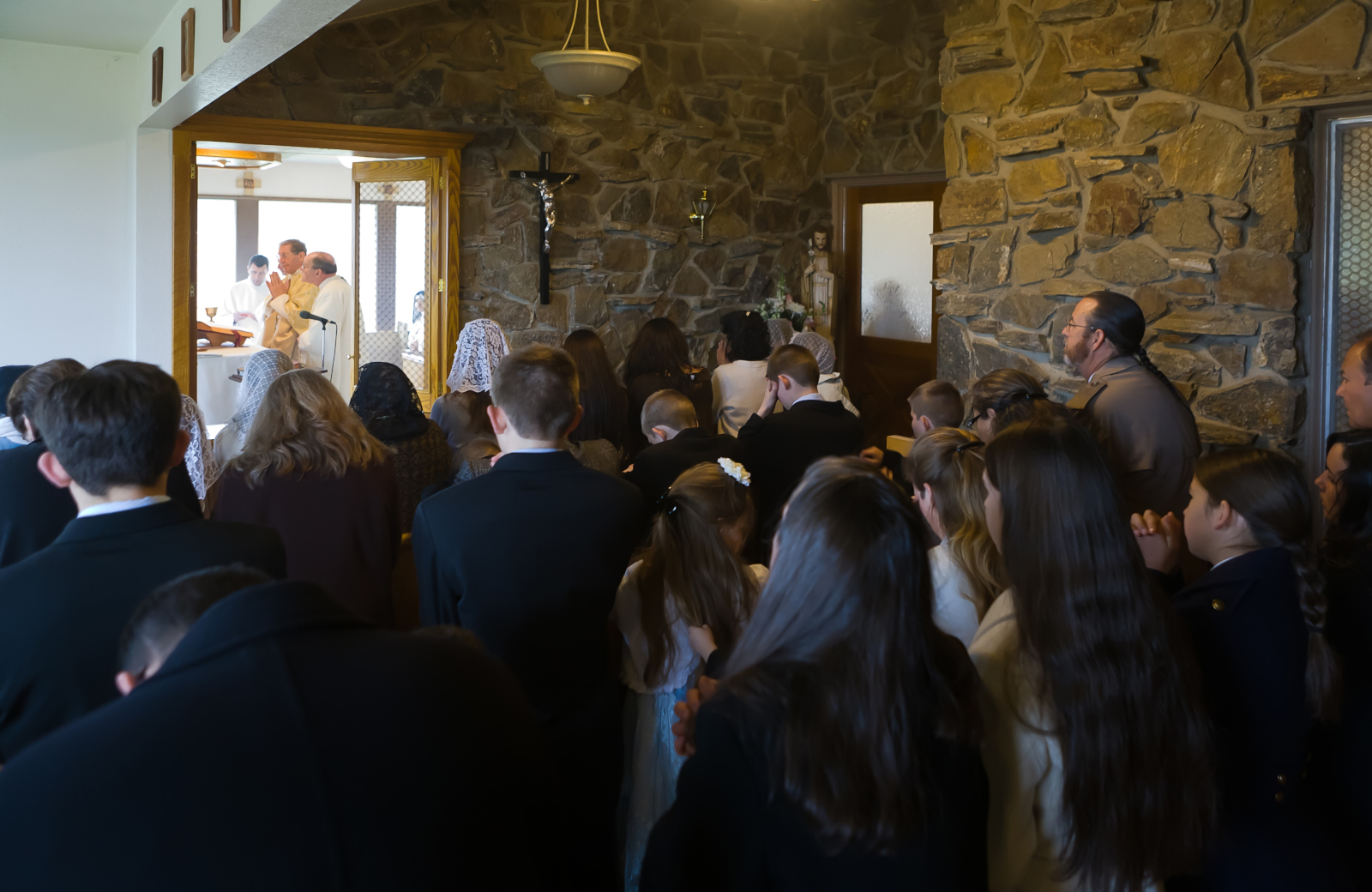
Our union is not limited to those who attend our liturgies, however. From her place in choir, the Norbertine Canoness “gathers the whole world into the depths of her love” (St. Aelred of Rievaulx), and in union with the whole Church, she praises and thanks the Father for His blessings, offers His own gifts back to Him, especially that of the Sacrifice of His Son, and begs Him to bless His people anew so that all may receive the saving grace won by Christ's redemptive work (cf. CCC 1083). She intercedes for family, friends and benefactors, indeed, for the whole world, and to this end she offers up not only her prayers, but in union with the Holy Sacrifice daily celebrated on the altar, she offers her whole being to God and becomes herself a “living sacrifice” (Rom. 12:1).
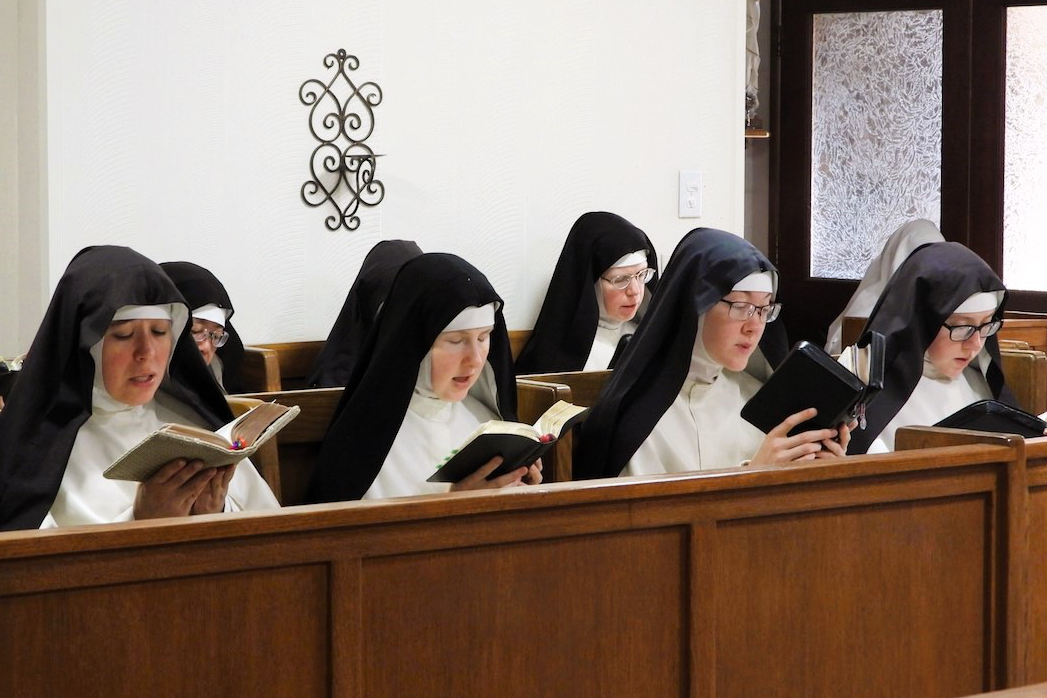
“The holy Church expects above all that the sacred functions and the holy office be carried out publicly by each group of canons or canonesses with a devotion and care by which the devotion of the faithful might be encouraged and the Christian people learn to conform their own religious concepts to the liturgical spirit and express praise, thanksgiving and petitions in union with the Spouse of Christ, the holy Church.”– A Spiritual Directory of the Order of Prémontré
Learn More
About Norbertine Liturgy
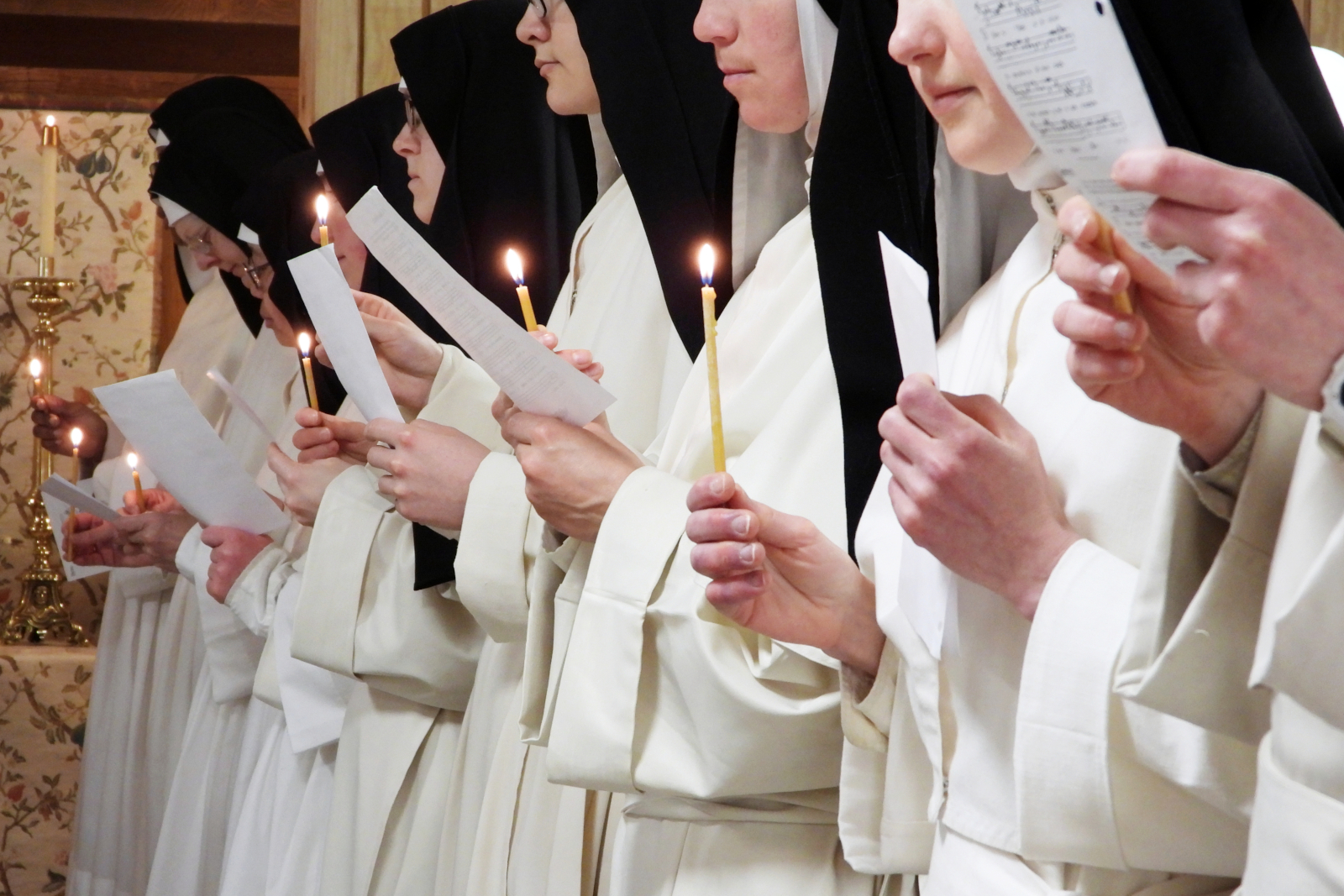
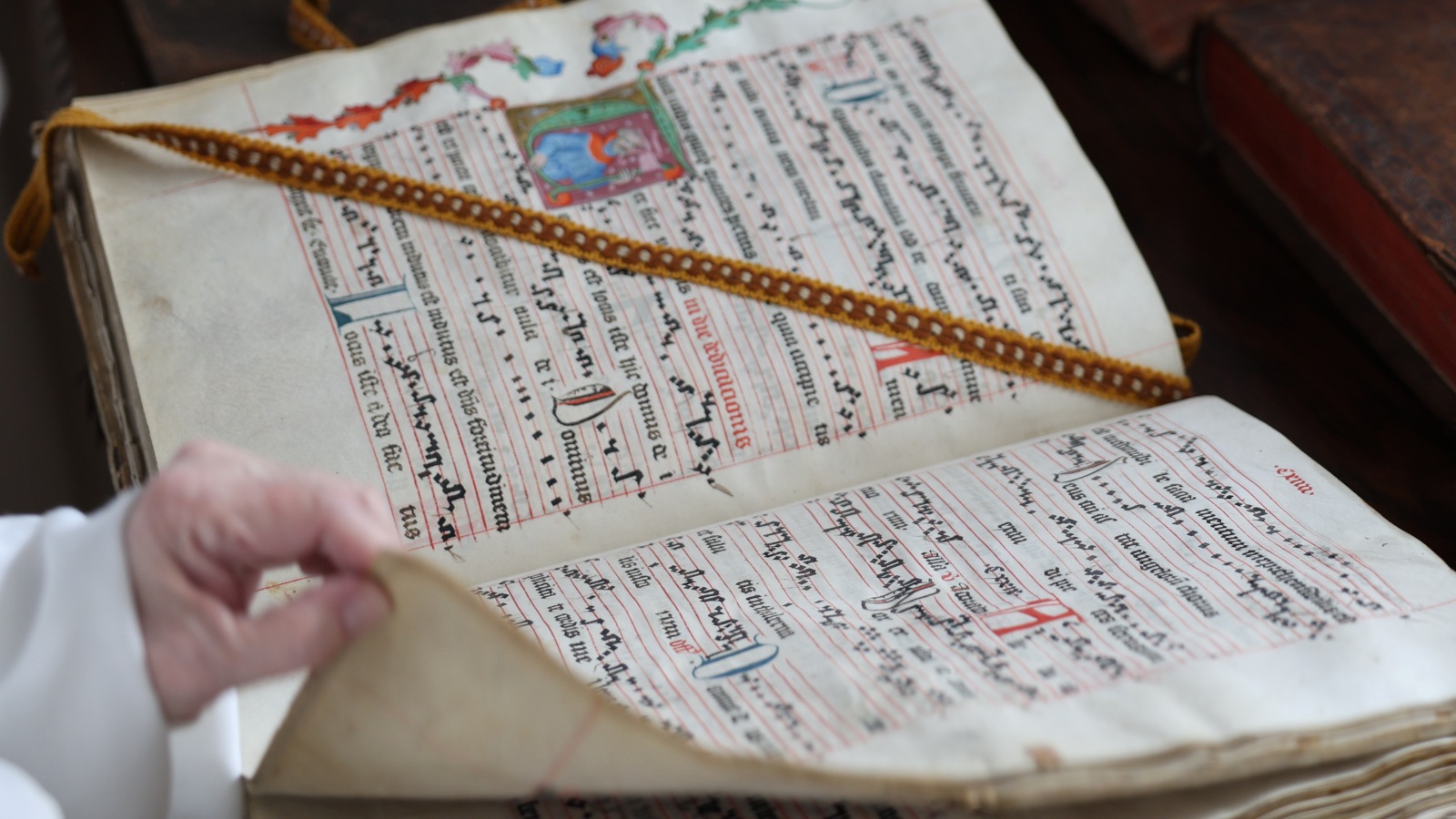
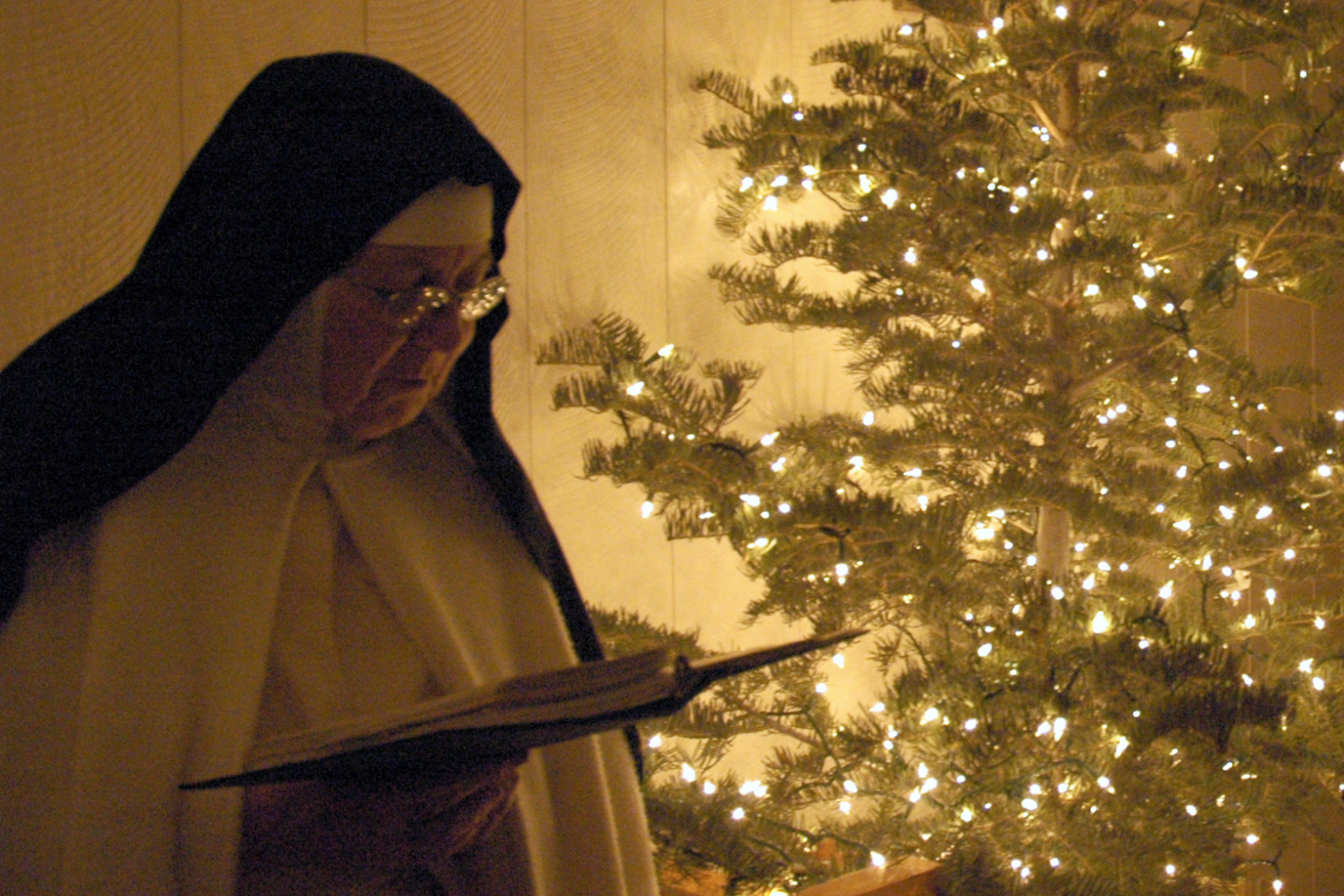
“In the earthly liturgy we share in a foretaste of that heavenly liturgy which is celebrated in the Holy City of Jerusalem toward which we journey as pilgrims, where Christ is sitting at the right hand of God, Minister of the sanctuary and of the true tabernacle. With all the warriors of the heavenly army we sing a hymn of glory to the Lord; venerating the memory of the saints, we hope for some part and fellowship with them; we eagerly await the Savior, our Lord Jesus Christ, until He, our life, shall appear and we too will appear with him in glory.”
– Sacrosanctum Concilium, n. 8