


Fostering Vocations in the Family
“The children loved the liturgy and were naturally sensitive to the sacred action, to the mystery and the beauty of its ritual. Throughout his life, Norbert would attempt to recreate the setting and the splendor of those childhood hours spent in choir with the canons of Xanten. When it came to the liturgy, Norbert would always remain a child at heart.”Fr. Dominique-Marie Dauzet, O. Praem., The Eternal Pilgrim
Visiting parents often ask us, “What can we do to foster vocations in our families?” A vocation is always a free gift from God, and He works in the life of each as He wills. Nevertheless, parents play a crucial role in cultivating a docile receptivity to the Lord's call, and a strong foundation in the family is a nearly irreplaceable support for each one of us as we strive to live out our vocations, whether to marriage or the consecrated life.
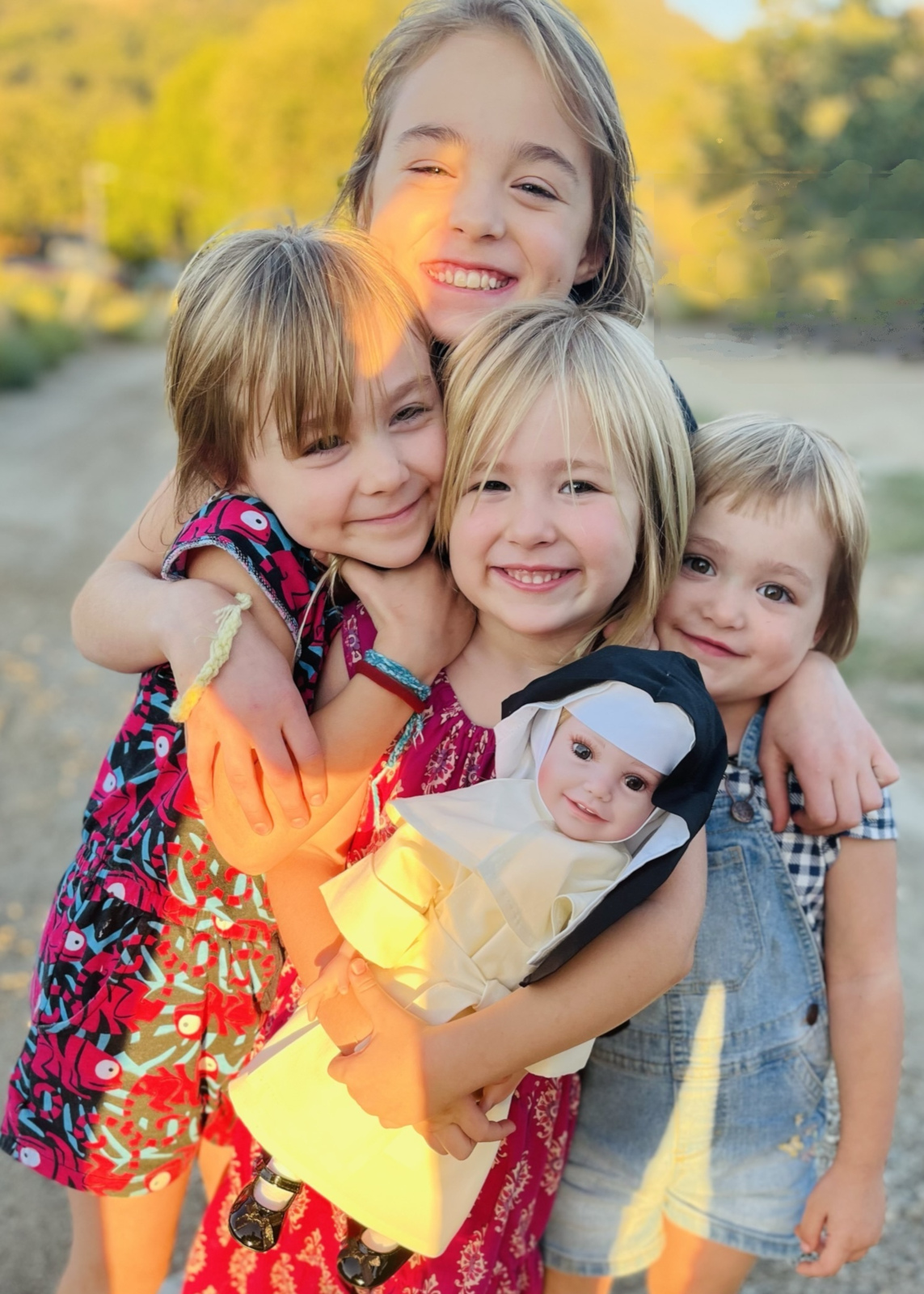 We offer below a number of suggestions, drawn from our experience, which could be adapted as age-appropriate and according to your own family's situation and needs. We also share below the childhood stories of some of our Norbertine saints, which we pray will be of encouragement as you strive to make your home truly a domestic church. Be assured of our prayers for you and your families – the Church has such need of holy families!
Lead by Example
- Strive to live a strong spiritual and sacramental life yourselves, and so teach your children to do likewise. Watching our parents pray, and seeing their love of God, joyful spirit of sacrifice, and striving for holiness, teaches far more than any book.
- Make visits to the Blessed Sacrament together, and make frequent sacramental Confession a family practice.
- Place crucifixes and other holy images in the home.
- Limit media use and screen time.
- Give your children the confidence that they will always have your unconditional support as they strive to discern and follow God's will in their lives, whatever it may be.
Entrust your Family to Our Blessed Mother
- Consecrate your children to Mary, entrusting their holiness and their vocations to her.
Pray Together as a Family
- Pray daily together as a family, especially the Holy Rosary.
- Pray together for the grace of priestly and/or religious vocations from your family.
- Consider also incorporating some element of the Liturgy of the Hours into your family prayer insofar as possible (Compline, or Night Prayer, especially lends itself to being adapted to all ages and readily incorporated into family life and prayer).
Immerse Your Children in the Church's Liturgy
- Take your children to daily Mass, when possible, and make a point of attending Holy Mass together on major feast days.
- Children especially love and are formed by the great liturgies and other ceremonies of the liturgical year, such as Palm Sunday, the Holy Thursday Mass of the Lord's Supper and the altar of repose, the Good Friday Liturgy with its veneration of the Cross, the Easter Vigil, Corpus Christi processions, as well as the May crowning of Our Lady, etc. Explain to them the meaning of these ceremonies.
- Bring the celebration of the liturgical year into your home through various family customs (such as the Advent wreath, Jesse tree, Christmas mangers, family Lenten practices, and various special prayers).
- Celebrate your children's sacramental anniversaries, especially Baptism and First Holy Communion.
 Befriend the Saints
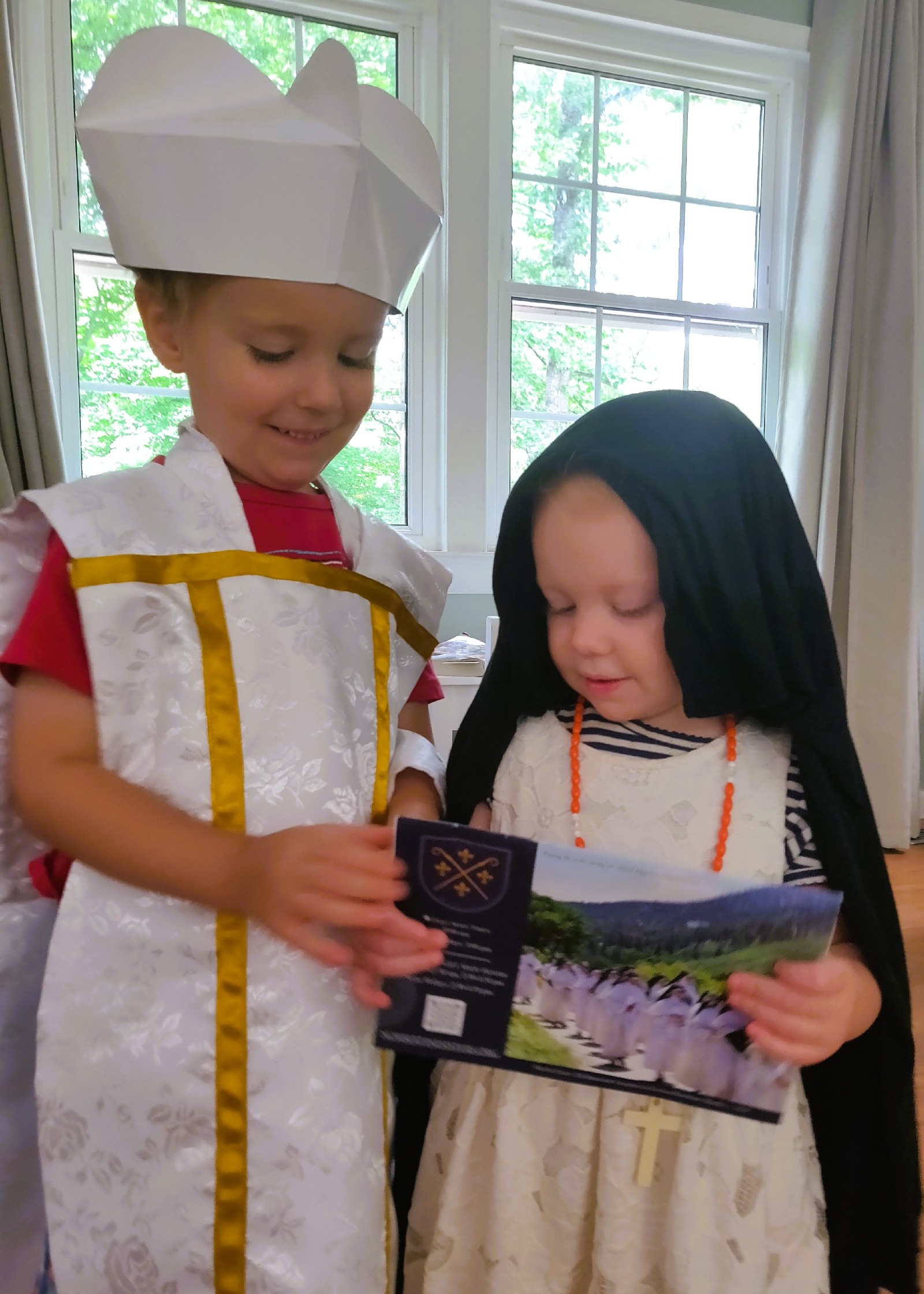
- Read the lives of the saints, coming to know them as our examples, and our heavenly friends and intercessors.
- Remind your children that we are all called to be saints, too!
- Celebrate in a special way the feast days of your children's patron saints.
Expose Your Children to the Consecrated Life
- Expose your children to the consecrated life by coming to know priests and religious and by visiting monasteries.
- When possible, attend together priestly ordinations and First Masses, and religious professions.
Learn, Love, and Live the Faith
- Teach your children the Faith from an early age, and make it an integral part of their education at every stage, not only during periods of sacramental preparation.
- Simple gestures leave a lasting impression, such as making the sign of the Cross when driving past a Catholic Church in honor of Jesus' Real Presence in the Tabernacle.
- Don't be afraid to teach your children dogmatic formations of the truths of the Faith! Small children can often imbibe and be formed by these long before they understand them, e.g. “There's Jesus, Body, Blood, Soul, and Divinity!” pointing to the Holy Eucharist.

"The Kingdom of Heaven belongs to such as these..."
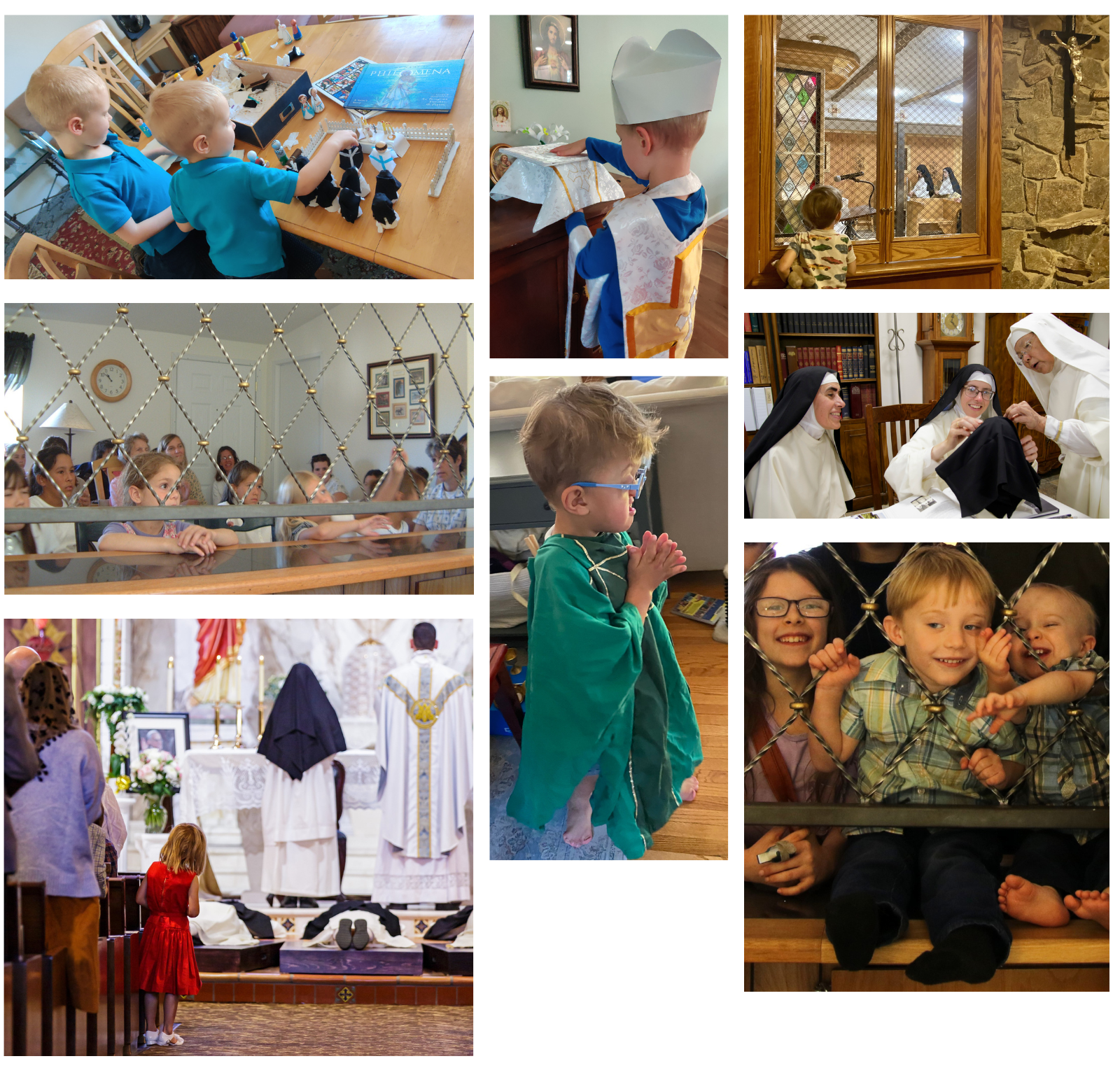
|
|
|
|
|
|
|
|
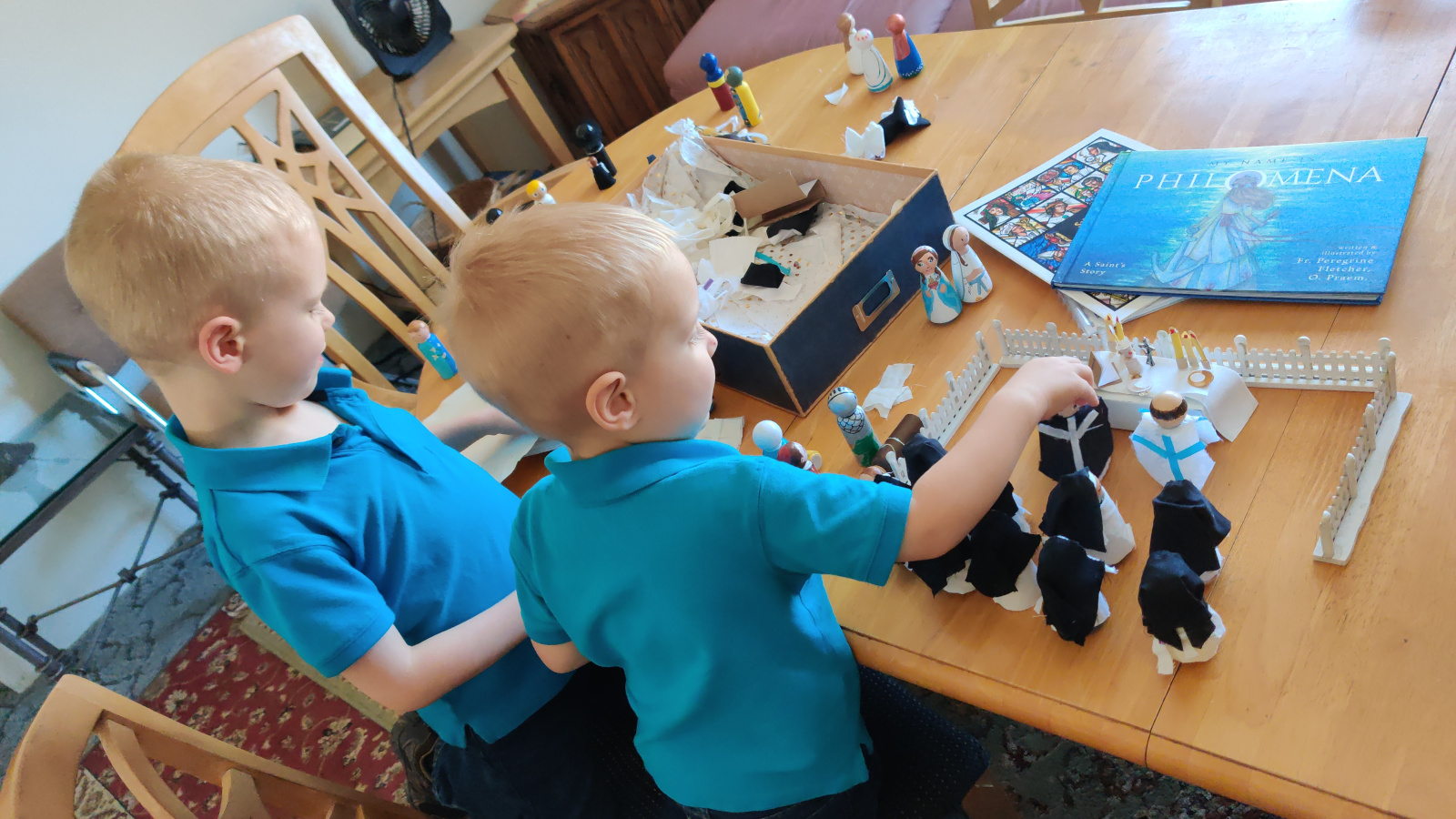
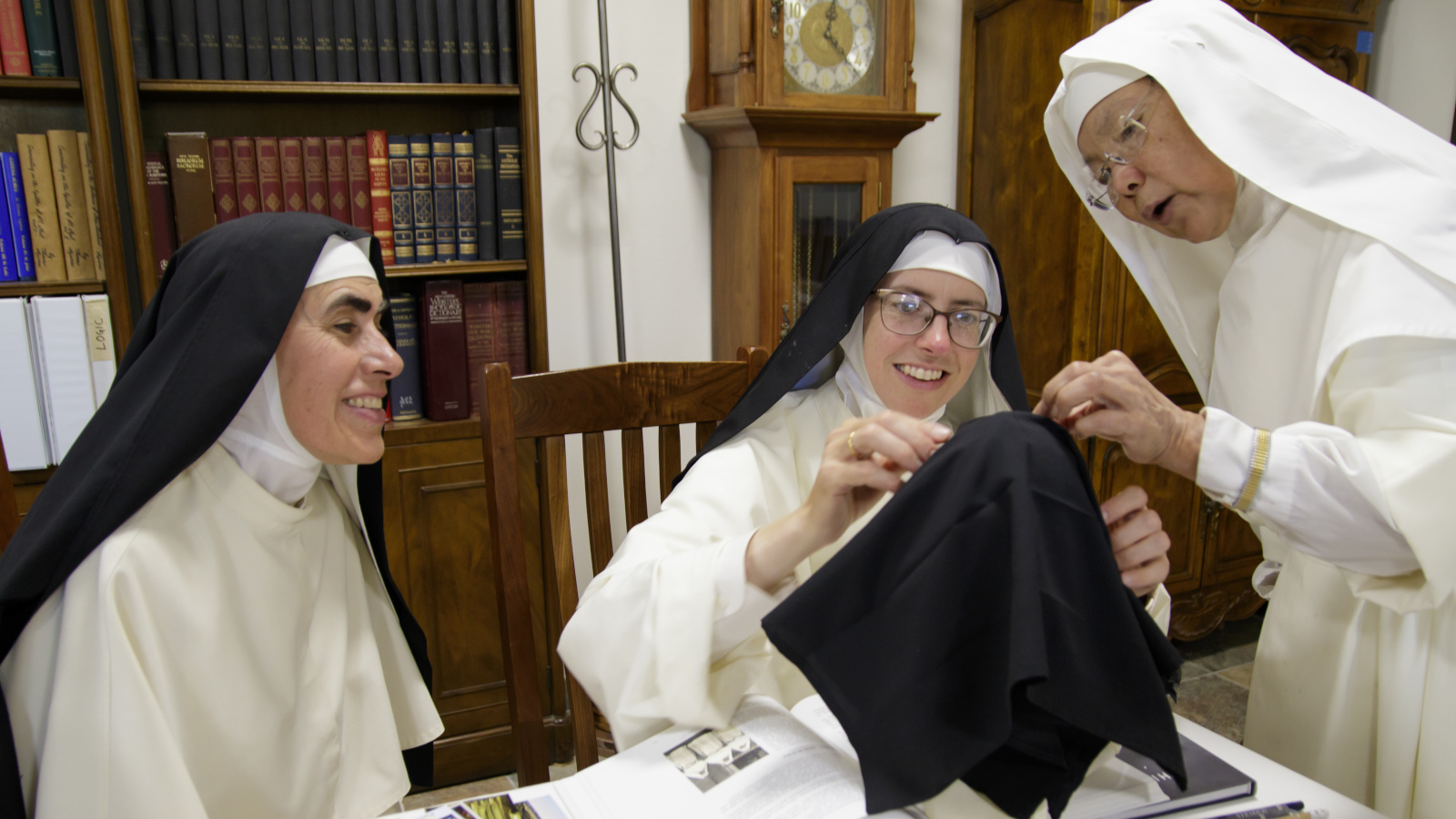
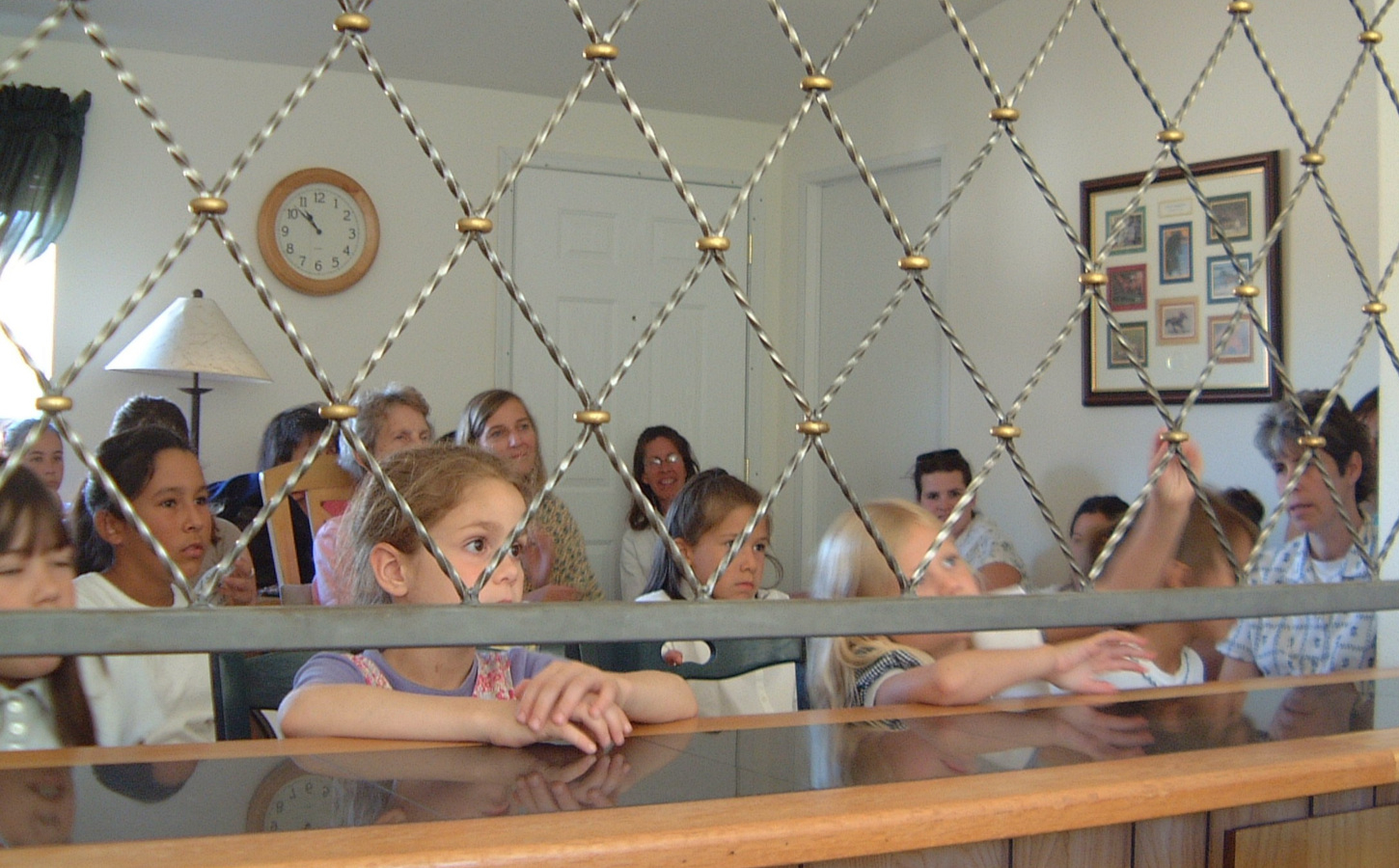
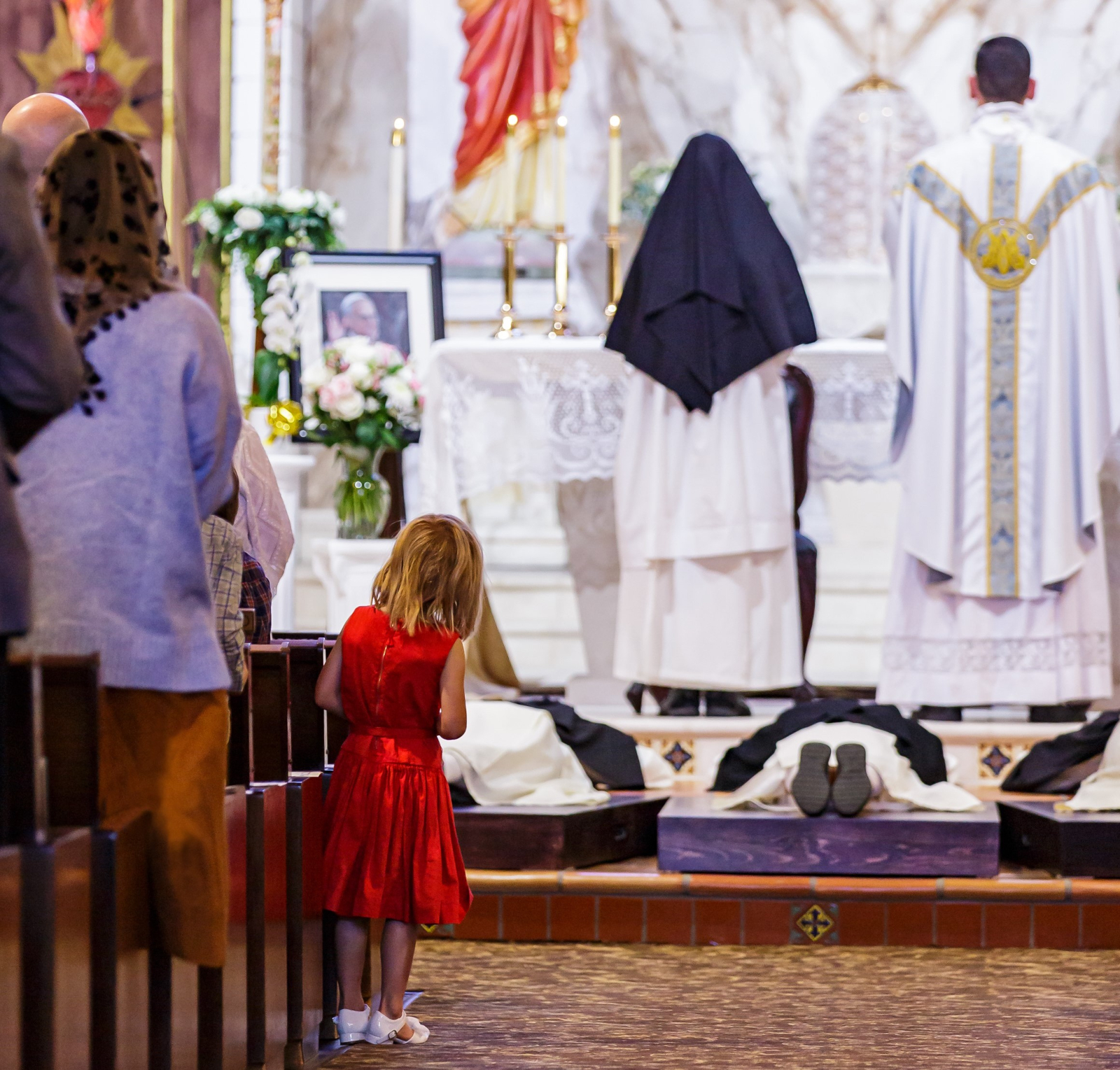
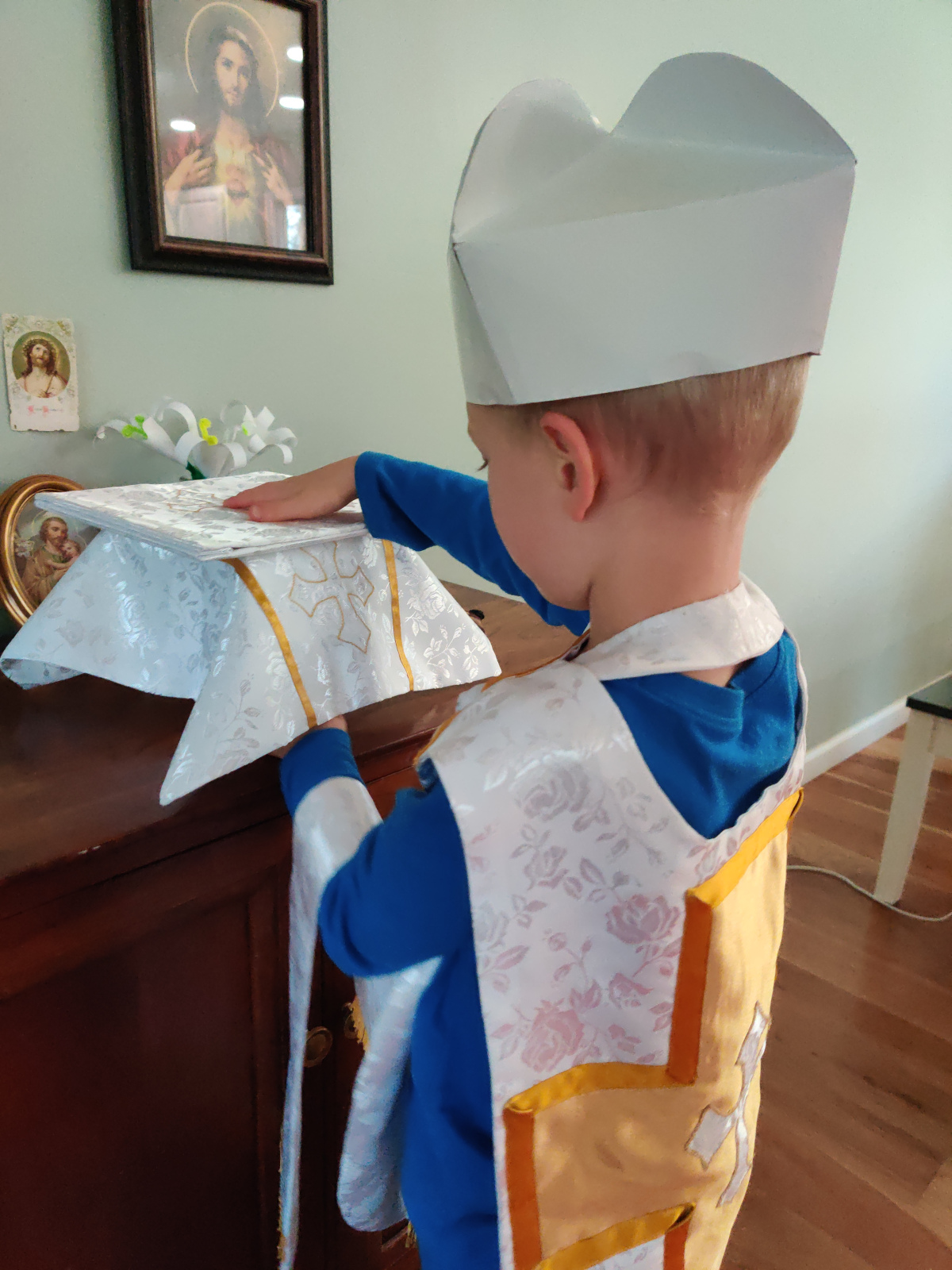
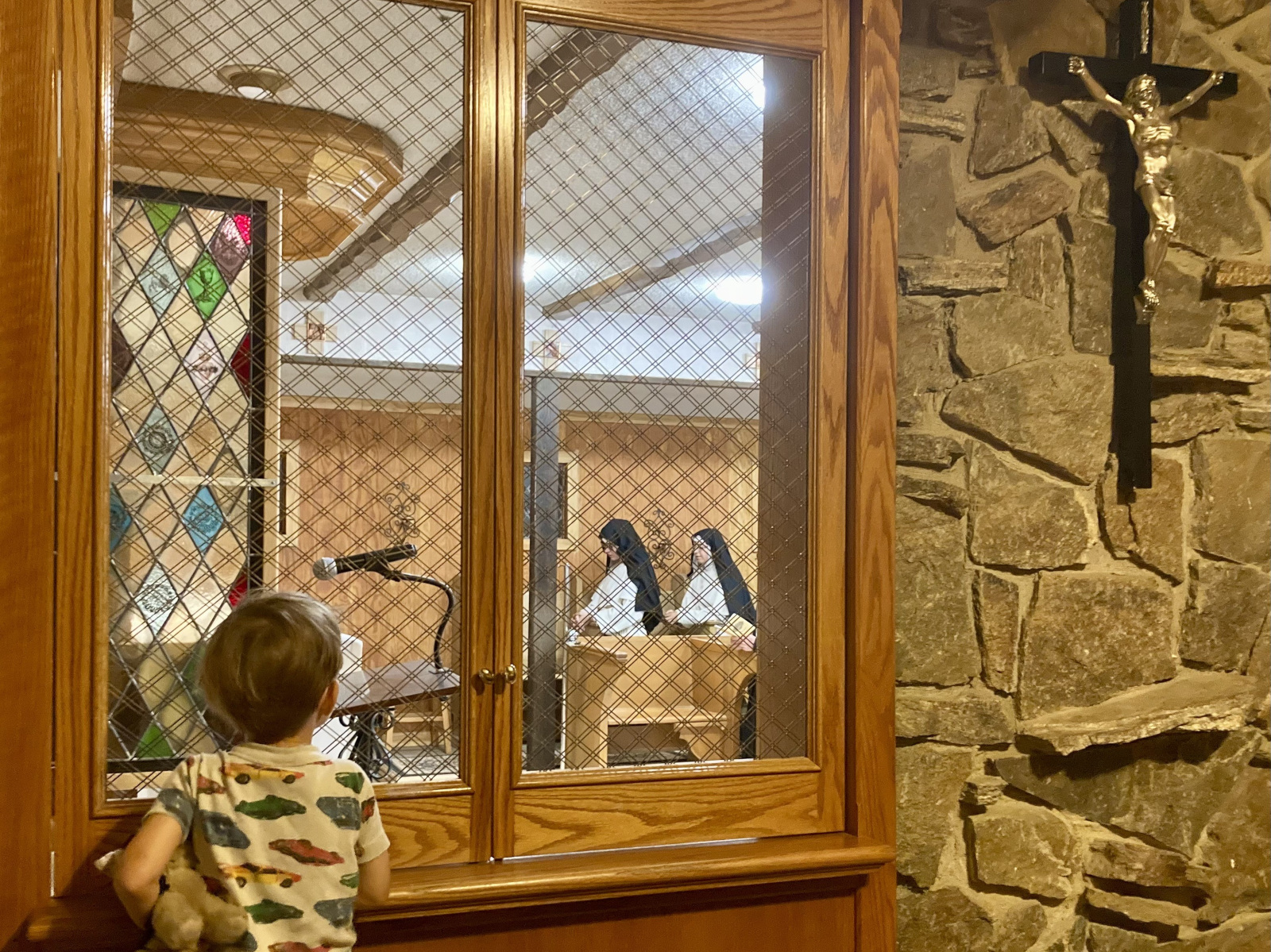
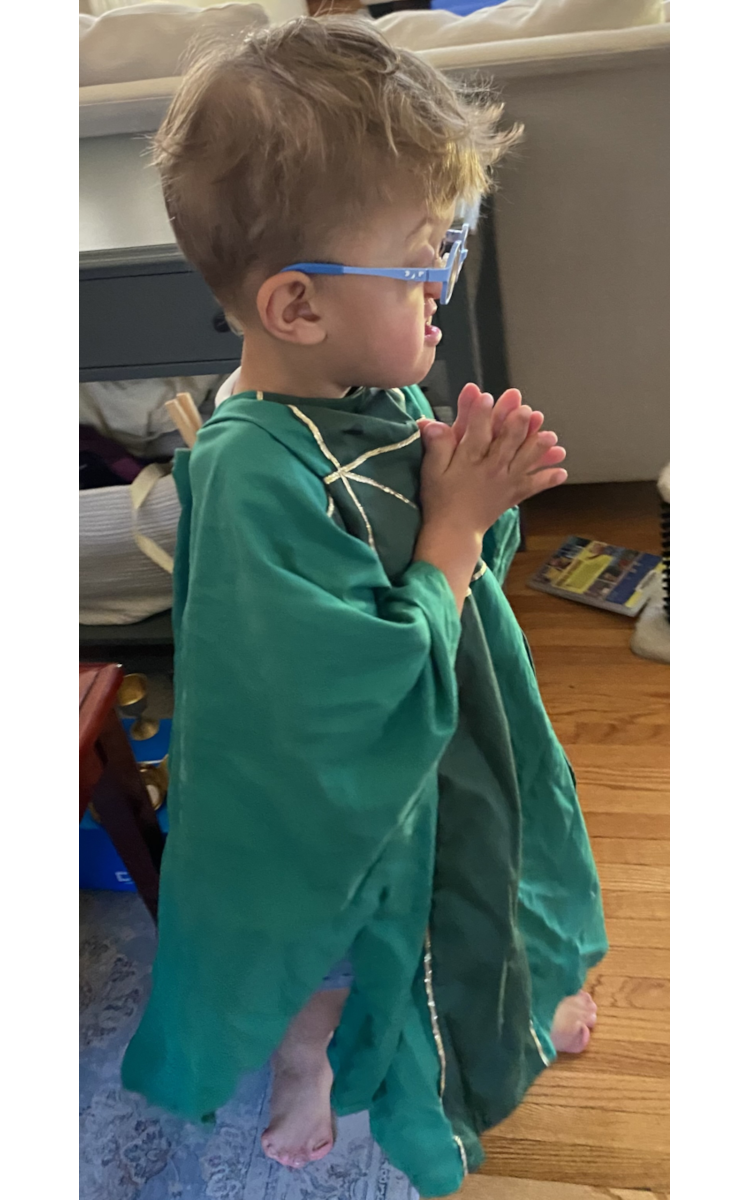
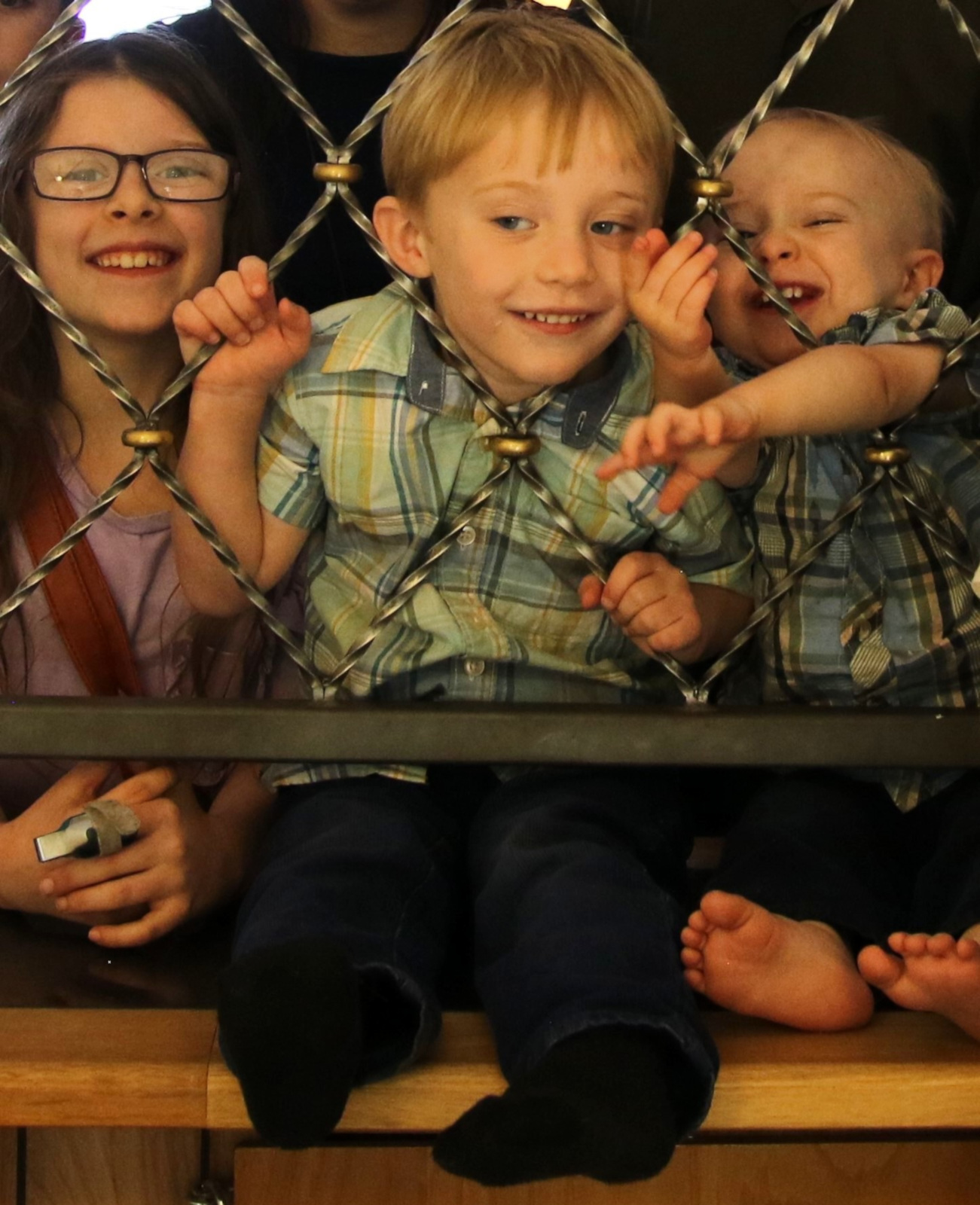
– Vita consecrata, n. 107

Childhood Stories of our Norbertine Saints
Often little is known of the childhood and upbringing of the early saints, but what has come down to us frequently reveals the influence of devout parents, as well as the deep spiritual capacity of even very young children...
A Statue of Mary
Our Holy Father St. Norbert (c. 1080-1134)
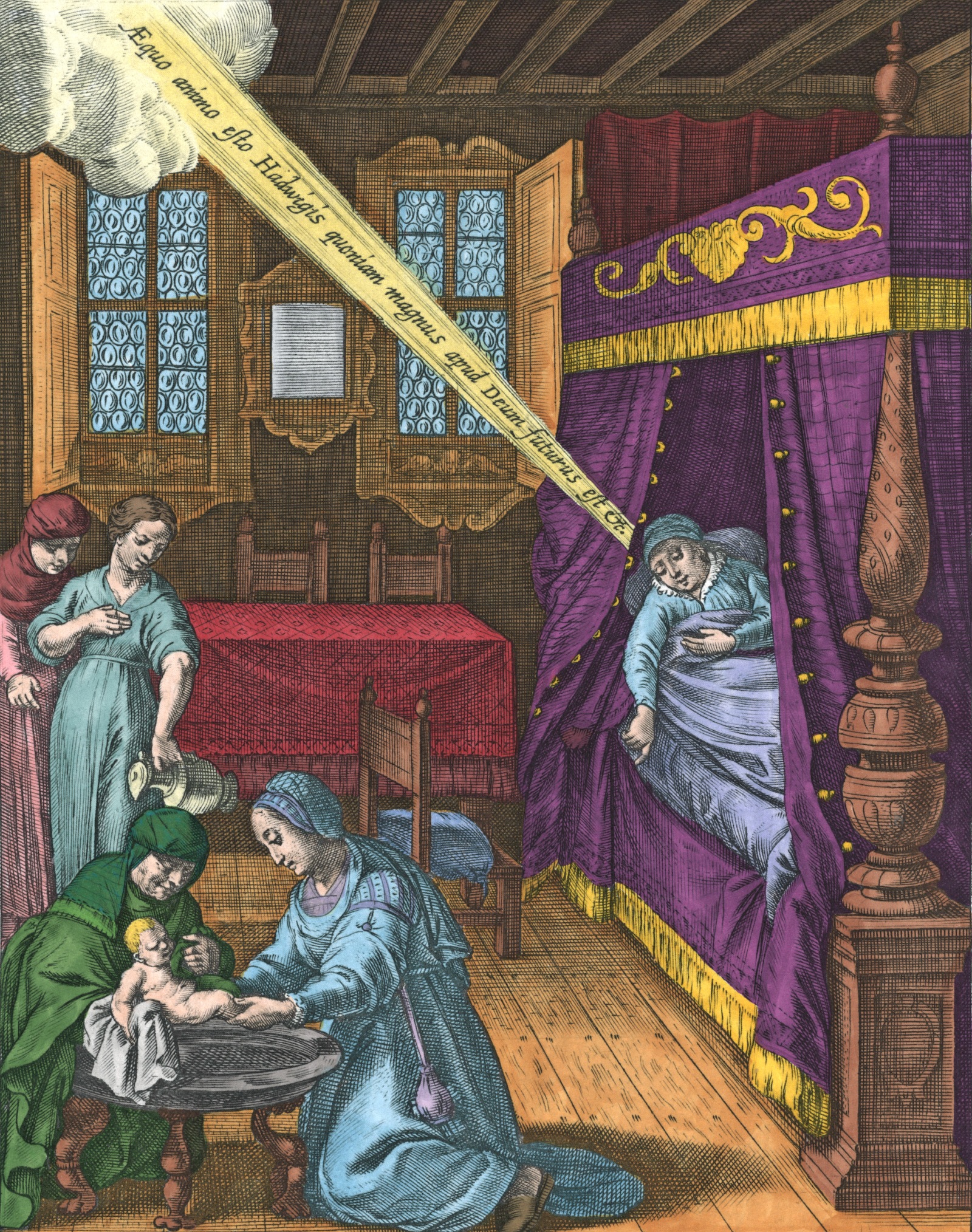
“While she held the young Norbert in her arms and nursed him, Hedwig, the boy’s mother, thanked God that after all the difficult weeks, pain and tears she had received such a treasure of a boy. She had a Gennep woodcarver make a small statue of Mary that she placed in the house chapel. She had the priest of Gennep bless it first and then put it in Norbert's cradle for a while. Mother Mary would protect him.... Norbert grew up within the walled fortress. He learned mischief from his older brother. He walked to the chapel with his mother. There she taught him to put flowers on the altar of the statue of Mary. He looked intently at the dancing candle flames and the praying face of his mother.”
The legend goes on to recount that little Norbert loved to play by the water and made friends with the local fisherman, Martin. After a tumble into the Niers river, during which he was miraculously saved from drowning, Hedwig gave the statue of Mary to Martin in thanksgiving for her son's rescue. Martin in turn passed on the statue to his son, and it was passed on from generation to generation before it was destroyed in a fire in 1597. But the Niers fishermen continued to tell the story of little Norbert and Martin.
(As told by Wiel van Dinter, the local historian of Gennep, recounting an oral tradition shared with him in the 1950s by the last professional fisherman on the Niers.)
A Shepherd Boy at Play
St. Frederick (c. 1113-1175)
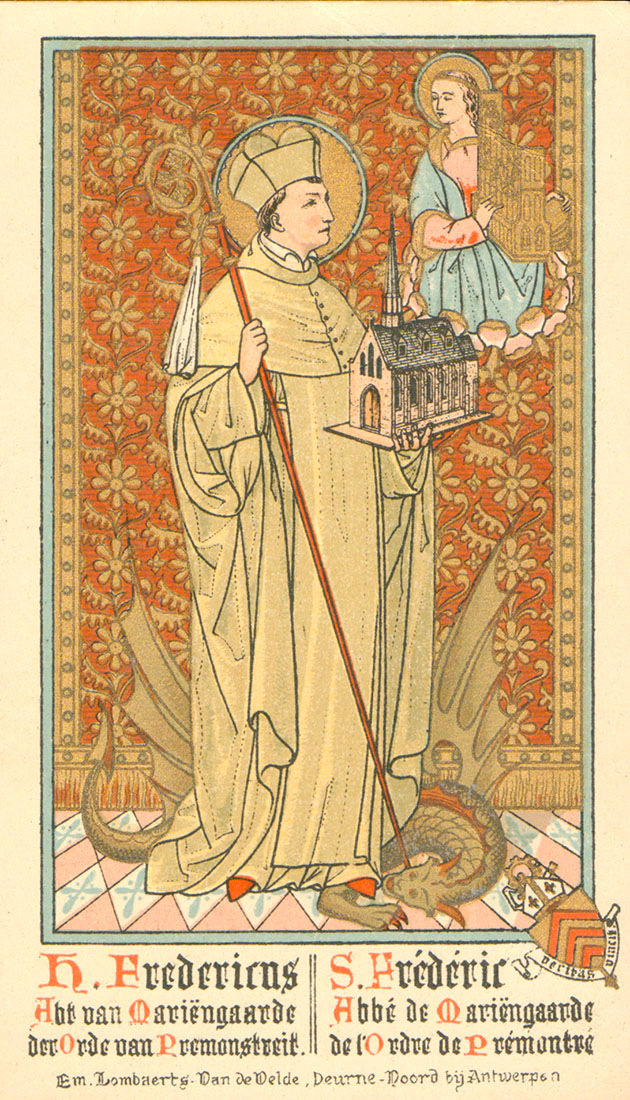
“At a very tender age, Frederick was bereaved of his father. His mother Suitberge sought to make known to her little son the paths of life, teaching him to fear God, to love justice, to frequent the Church, to make time for prayer, to revere his elders, to hate evil and to hold fast to the good. The boy wholeheartedly strove to put all these things into practice. While pasturing his mother's sheep, Frederick meditated attentively on the Lord's Prayer. He built basilicas out of clay, constructed altars, fashioned books from the leaves of the plantain plant, and tried to imitate the liturgical rubrics as best as he could. You could see him at his games, a boy in years but not in spirit, playing like a child but also meditating on spiritual things, caring for his flock on earth but longing for the company of the angels in Heaven.”
Young Frederick's budding priestly vocation was noticed by his fellow parishioners, who urged his mother to have him educated. He did indeed become a priest, and later, after her death, Frederick became a Norbertine religious as an offering for the soul of his beloved mother.
(Adapted from the Life of St. Frederick)
Offering an Apple
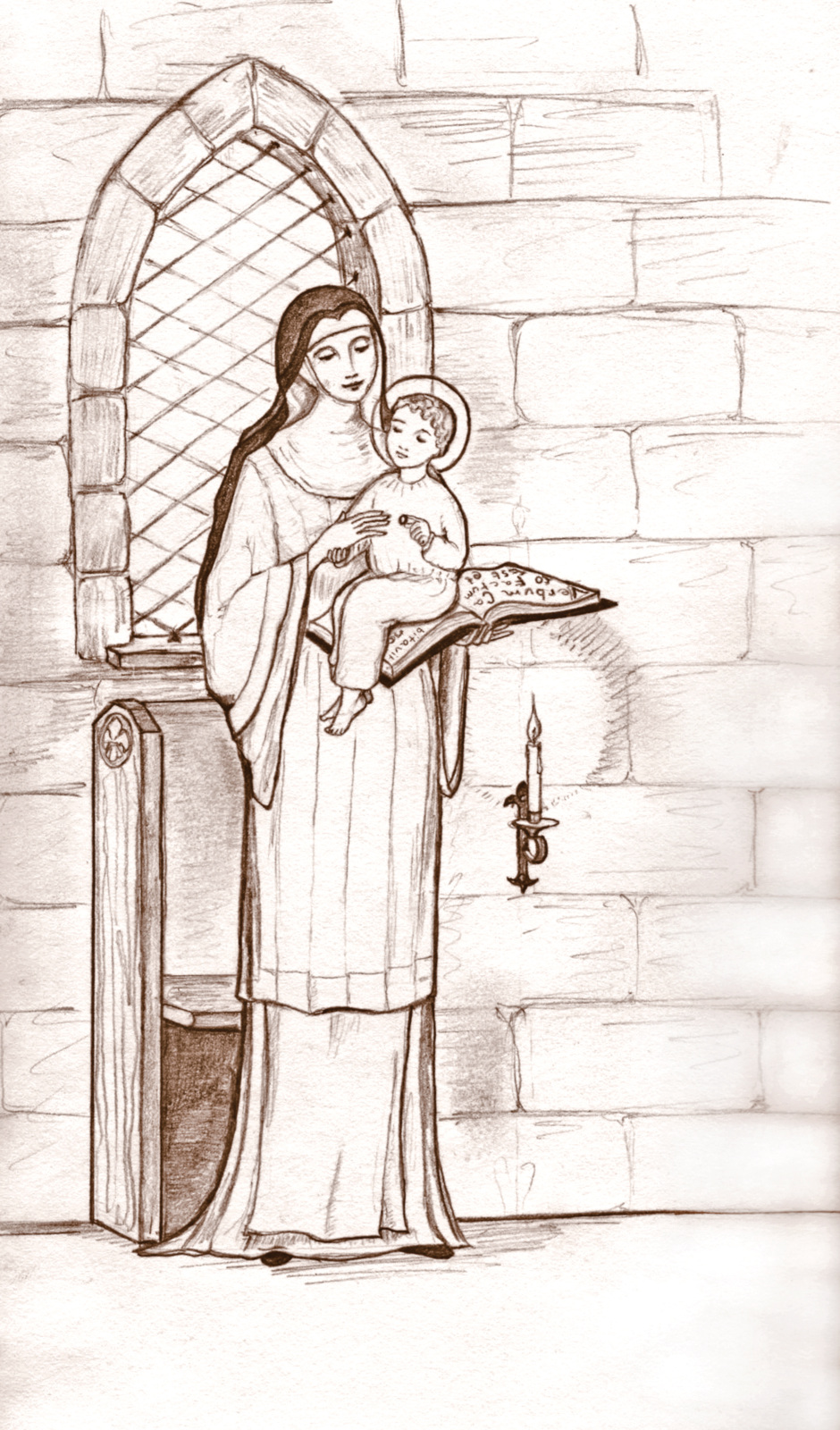
St. Herman Joseph (c. 1150-1241)
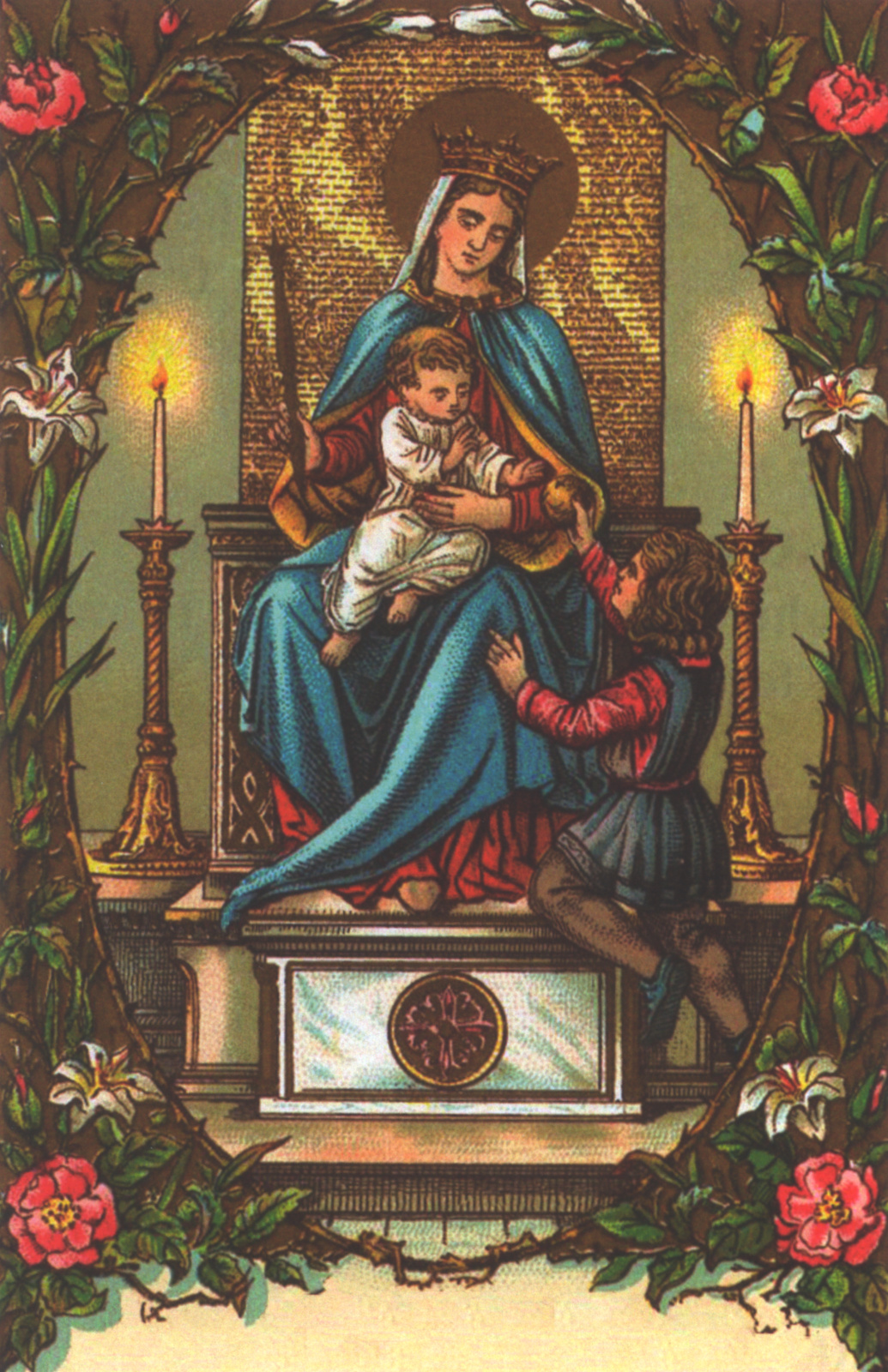
"Upon entering the monastery of the Blessed Virgin and Mother of God, Mary, the little boy in his dove-like simplicity was accustomed to remain motionless before the statue of Our Lady bearing the likeness of Jesus at her breast. And he would speak in turn with the image of the Mother, and in turn with the image of her Son, as if they were alive. And if he happened to be holding in his hand some bread or fruit, as boys are wont to do, he would hold it out, now to the Mother, and now to the Son. This wondrous incident, which I recount, is very well-known and was handed down to us by those who knew him: at last, the holy boy stood (as was his habit) before the statue of the Blessed Virgin, and he offered to her, with great insistence and devotion, the apple that he brought. And behold, the kindly Mother, to commend the devotion of the boy, and lest she sadden the devout child, stretched out the statue's hand and gratefully accepted from the hand of the boy the little gift he extended to her. O truly blessed childhood of the innocent boy, which merited to be consoled by such opportune revelations!"
(From the Life of St. Herman Joseph)
Creation Reveals Its Creator
Christine of Christ (1269-1292)
"While [the child Christina] stood alone by the well she saw how the drinking vat overflowed with water, and she thought of how the abundantly sweet Godhead overflows into His angels and saints in heaven and down here to earth. With great desire she begged our dear Lord to flow into her soul with His mercy. Whenever she was in the garden, and saw the earth adorned with flowers and grass, she received great joy, similar to the saint King David, who always received the Holy Spirit upon entering his garden. In the same way, this holy virgin considered how God, who had delicately and multifariously clothed the earth, is beautiful and gracious and uplifting in Himself. With great desire she then begged our dear Lord to make her heart blossom with spiritual flowers of virtue... Also, whenever she saw trees reaching high up into the sky she found God, and she begged Him to turn and orient her heart toward Him with steadfast love and high knowledge. ….Well, to cut this short: she found God in all things. All her senses, namely seeing and hearing, drew God from all creatures and filled her heart with Him and joined Him to her soul."
(From the Life of Christina of Hane)
Dedicated by her Parents
Bl. Gertrude of Altenberg (1227-1297)
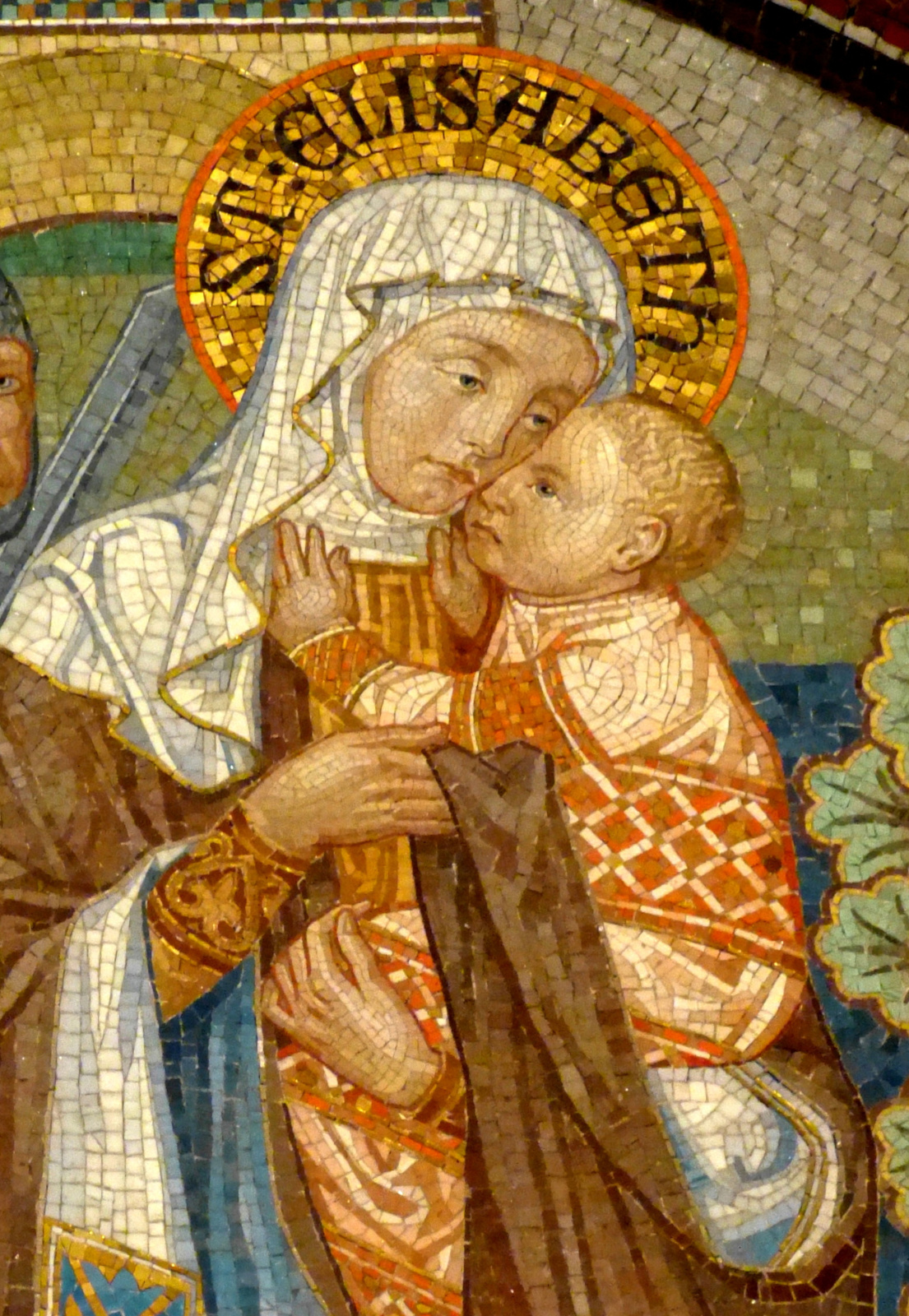
"Gertrude was the daughter of Count Louis of Thuringia and Hesse, and his wife, St. Elizabeth of Hungary. She was dedicated to God from the womb by her father as he prepared to depart for the Crusades in 1227. Louis offered the unborn child to the Premonstratensian Canons of Rommersdorf if a boy, or the Premonstratensian Canonesses of Altenberg near Wetzlar if a girl. Gertrude was born on September 29, 1227, a few weeks after Louis died in the Crusades. Her mother Elizabeth, who wished to devote the rest of her life to prayer and the service of the poor, kept her husband’s vow by entrusting Gertrude to Altenberg. Even though Elizabeth died within a few years of Gertrude’s birth, she was remembered by the community of Altenberg for her visits during which she spun wool with the sisters. The eight-year-old Gertrude was brought from Altenberg to Marburg to attend her mother’s canonization in May of 1235."
Following in the footsteps of her saintly parents, Gertrude would be known for her spiritual support of the Crusades, her love for the poor, and her devotion to the Holy Eucharist.
(From the Hagiologion of the Norbertine Order)
A Play Altar
Bl. James Francis Kern (1897-1924)
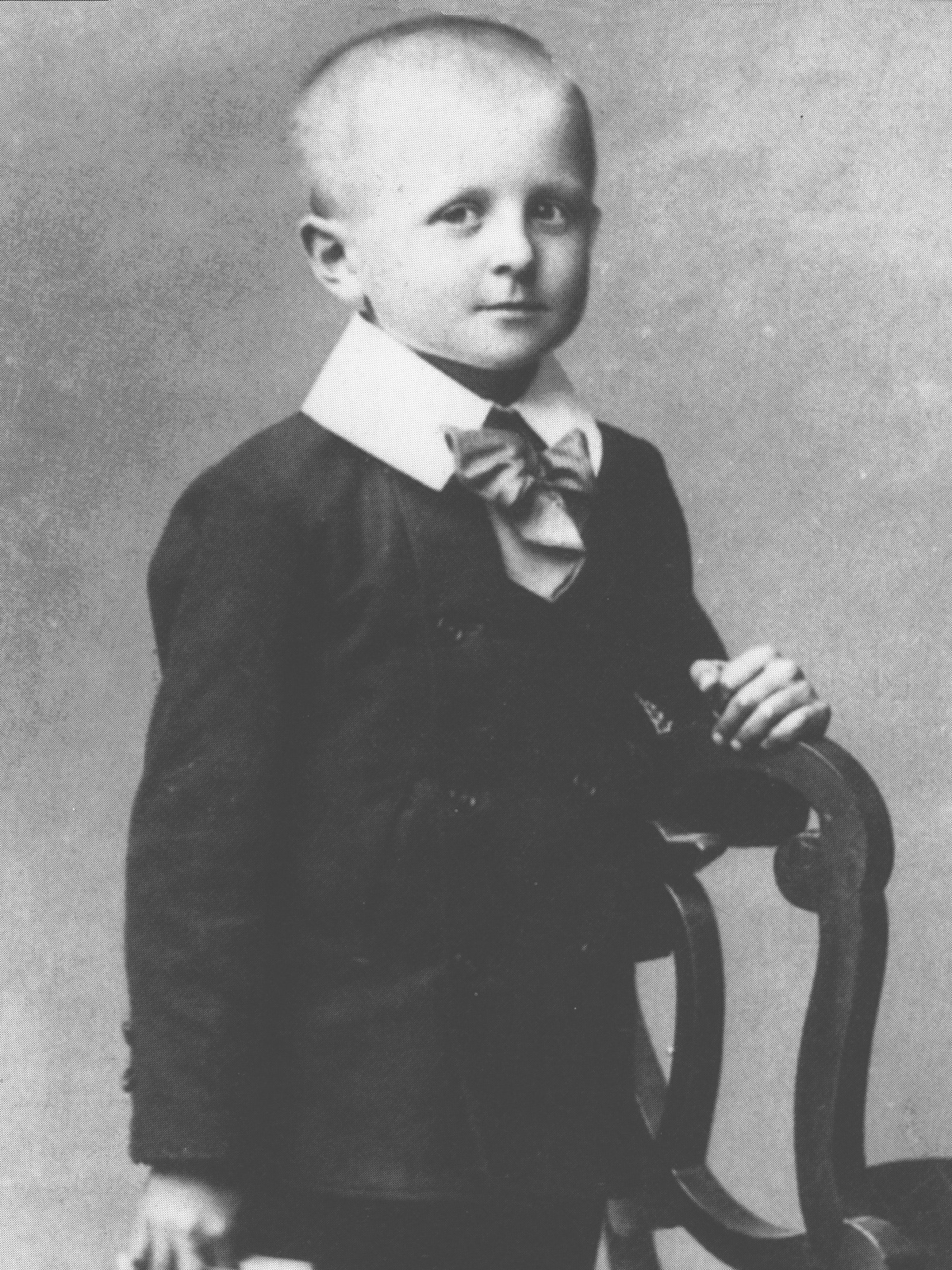
“Before the birth of her son, Anna Kern went to the Marian shrine of Maria-Enzersdorf and knelt before the shrine in prayer as only an expectant mother can pray, remaining there for a long time, filled with trust and faith in God. It was at this time that she made a promise: should the baby be a boy, she would entrust him to the Blessed Mother in the hope that she would implore her Son Jesus to call the boy to the priesthood.
...There were two golden threads present at the beginning of his life which continued to the end: his childlike joy at the Divine Liturgy, and his love of prayer. He and his mother, a good teacher of prayer, attended Mass together during the week. This had its effect. One Christmas when he was about four or five he received a train set and a toy horse. When his mother asked him if he was happy with the gifts, little Francis sadly shook his head and said no. His surprised mother asked him the reason, and he responded that he had really wanted 'an altar with candlesticks and candles and flowers.' He received a play altar shortly thereafter and was overjoyed.”
(Adapted from Blessed James Kern: The Priest of Atonement)
A Mother's Tears
Our Holy Father St. Augustine (354-430)
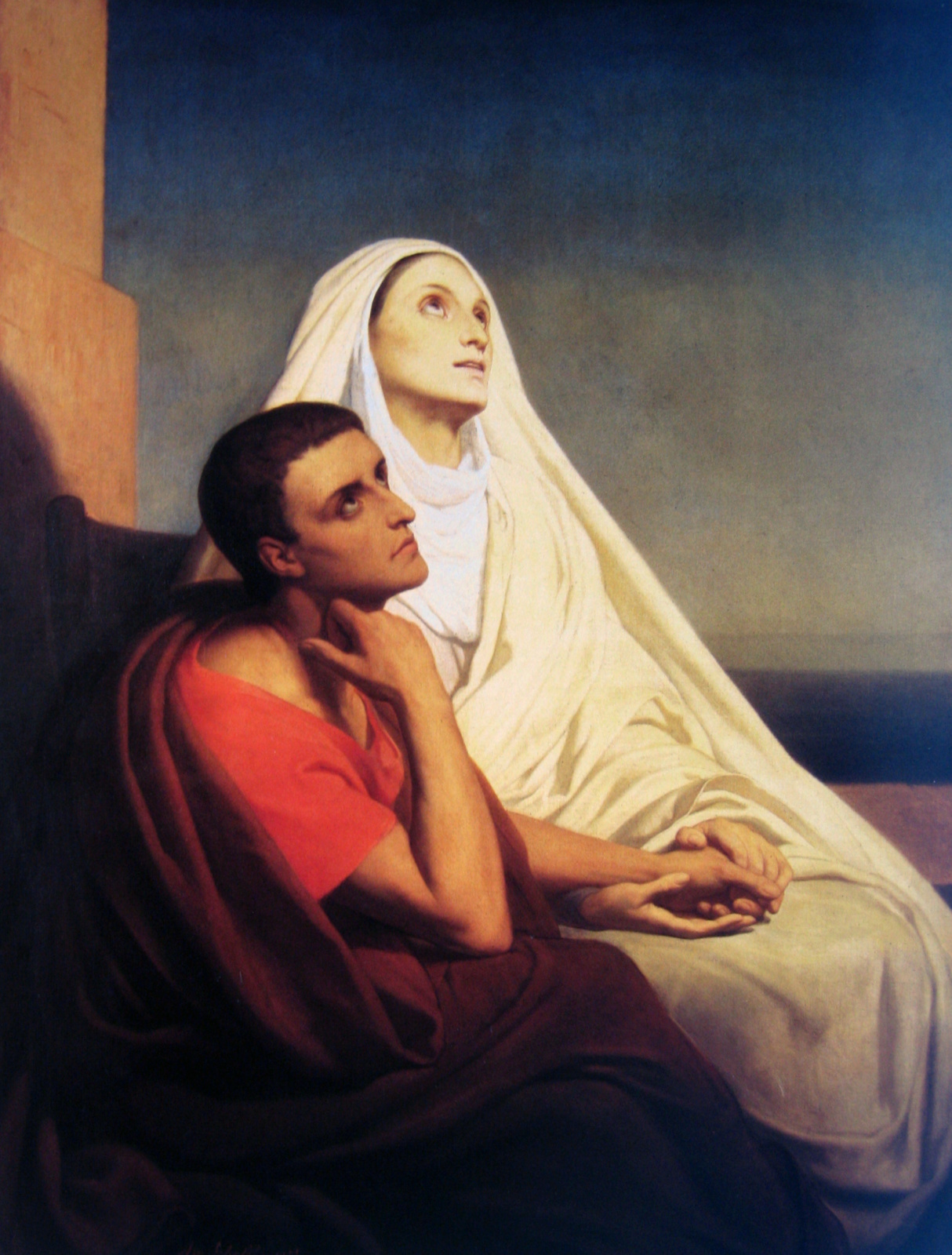
“I can find no words to express how intensely my mother Monica loved me: with far more anxious solicitude did she give birth to me in the spirit than ever she did in the flesh. … Could you then, whose grace had made her what she was, disdain those tears and rebuff her plea for your aid, when what she tearfully begged from you was not gold or silver, not some insecure, ephemeral advantage, but the salvation of her son? No, Lord, that would have been unthinkable. … You stretched out your hand from on high and pulled my soul out of these murky depths because my mother, who was faithful to you, was weeping for me more bitterly than ever mothers wept for the bodily death of their children. In her faith and in the spiritual discernment she possessed by your gift she regarded me as dead; and you heard her, O Lord, you heard her and did not scorn these tears of hers which gushed forth and watered the ground beneath her eyes wherever she prayed. Yes, you did indeed hear her.”
The prayers and tears of St. Monica not only brought about the conversion and monastic vocation of her son Augustine and obtained for the Church one of her greatest Doctors, but have also borne fruit in the vocations of all religious who follow his Holy Rule.
(From The Confessions of St. Augustine)
“Now I turn to you, dear parents… God has entrusted to you the peculiar task of guiding young people on the path to holiness. Be an example to them of generous fidelity to Christ. Encourage them to 'put out into the deep' without hesitation, responding eagerly to the invitation of the Lord. Some he calls to family life, others to consecrated life or to the ministerial priesthood. Help them to discern their path, and to become true friends of Christ and his true disciples. When adult Christians show themselves capable of revealing the face of Christ through their own words and example, young people are more ready to welcome His demanding message, stamped as it is with the mystery of the Cross.”
– Pope St. John Paul II, 2005 Message for World Day of Prayer for Vocations