

Blessed Ricvera of Clastres
Feastday: October 29
“They devoted themselves with one accord to prayer, together with some women, and Mary the mother of Jesus, and his brothers.”(Acts 2:14)
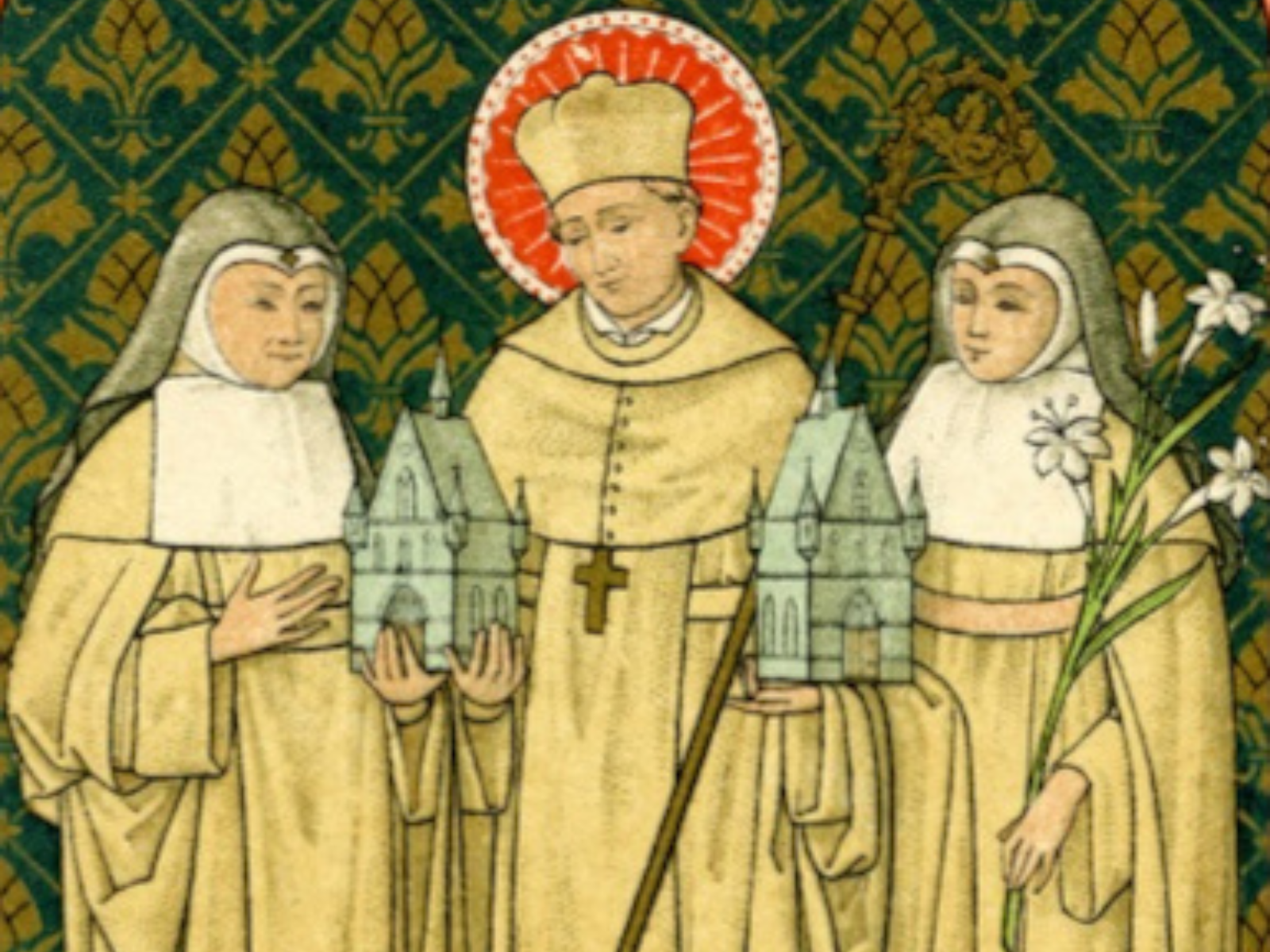
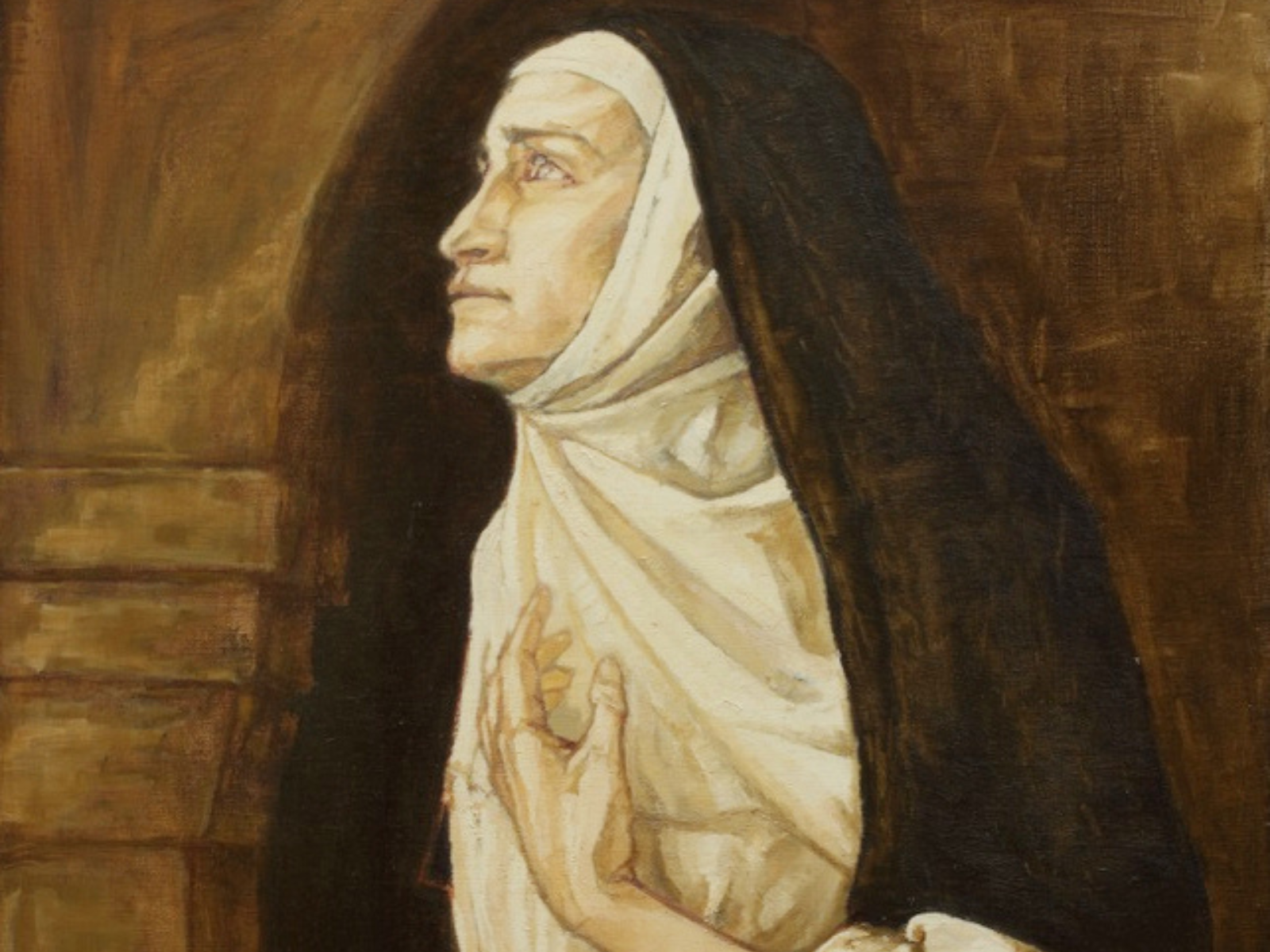
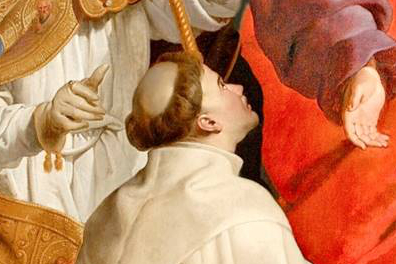
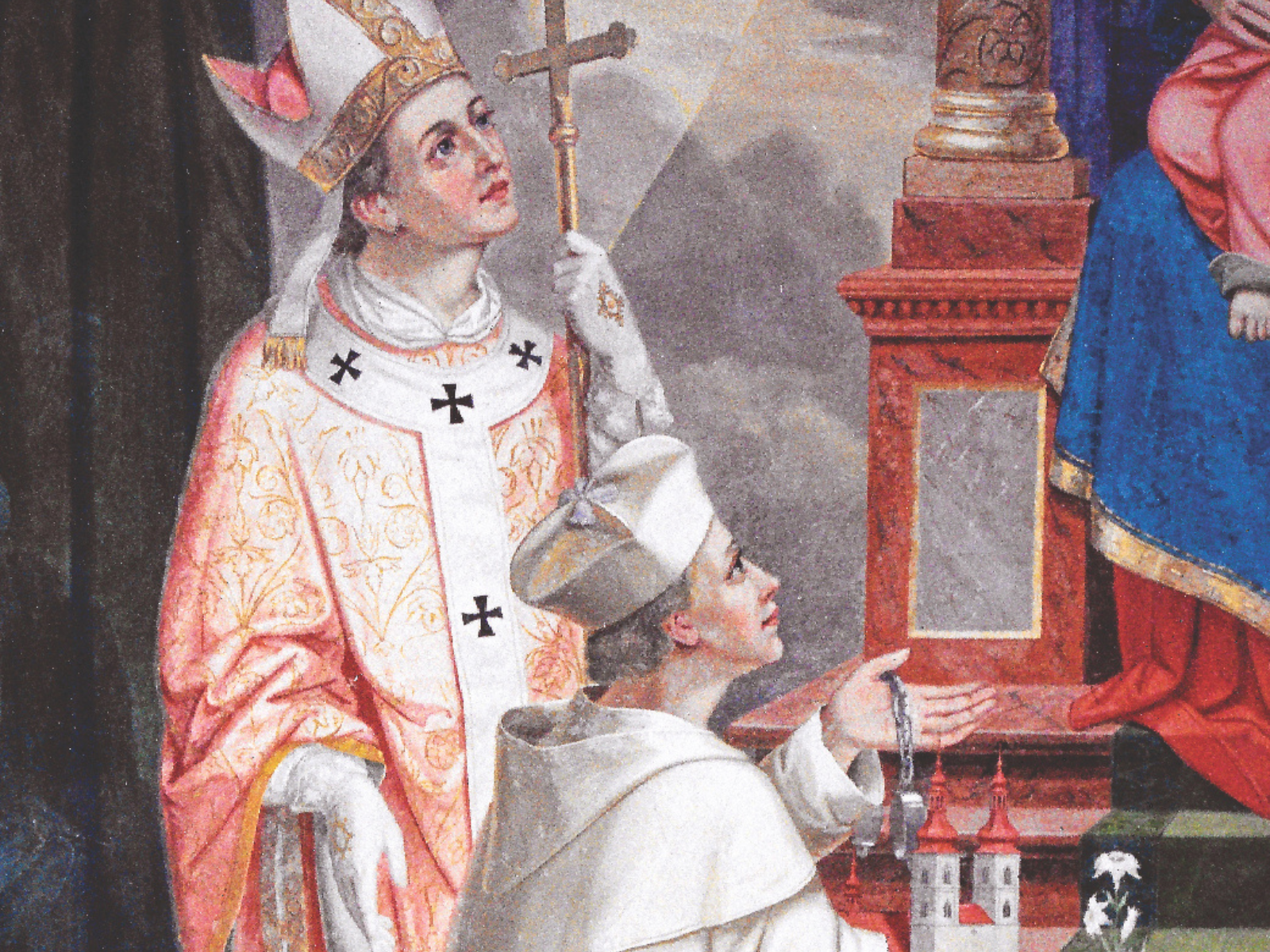
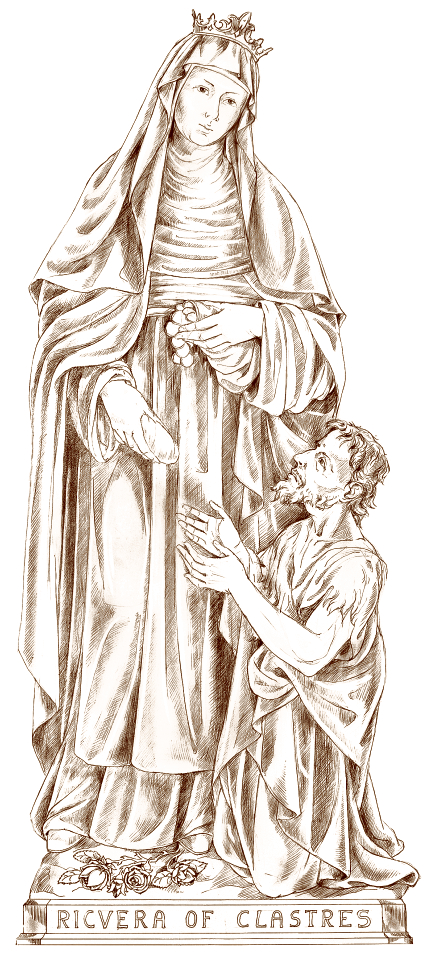 In imitation of the apostles, from the very beginning of the Order St. Norbert welcomed women to share in the way of life he was establishing at Prémontré. In 1121, St. Norbert bestowed the religious veil on the first of these women, a widow named Ricvera, who was drawn by the apostolic ideal of St. Norbert. Like the holy women who ministered to Christ in the Gospel, Ricvera dedicated herself and her lands to this new community. Norbert placed Ricvera over the community of sisters at Prémontré, with a special responsibility for the hospice he founded there.
“Welcoming the poor and pilgrims” —now called hospitality—was a part of the great canonical tradition. It was a work of mercy par excellence in an age when pilgrimage was regarded as a consecrated state of life, and travel conditions were particularly difficult. St. Norbert was especially fond of this ministry of charity. Of all the traditional canonical practices, he emphasized three in particular: cleanliness about the altar, confession of faults at chapter, and hospitality. He pledged that Norbertine communities observing these three practices would never be in want.
The hospice at Prémontré was generously endowed by Norbert. It included a hostel for travelers, a shelter for the poor and a hospital for the sick. While the confreres took care of the men, the sisters, under the direction of Ricvera, took care of the women. From the very beginning of the Order, Ricvera ran this hospice, continuing to do so her entire life. Known for her great love for the poor and her gift for consoling the needy, she wished to be buried in the cemetery for the poor, whom she had served with such selfless devotion. The tradition of hospitality continues in our Order to this day.
Ricvera died in 1136, with many miracles recorded of this holy Norbertine. She put out a fire which had broken out in the convent by making the sign of the cross. Roses and other flowers bloomed on her grave for many years after her death.
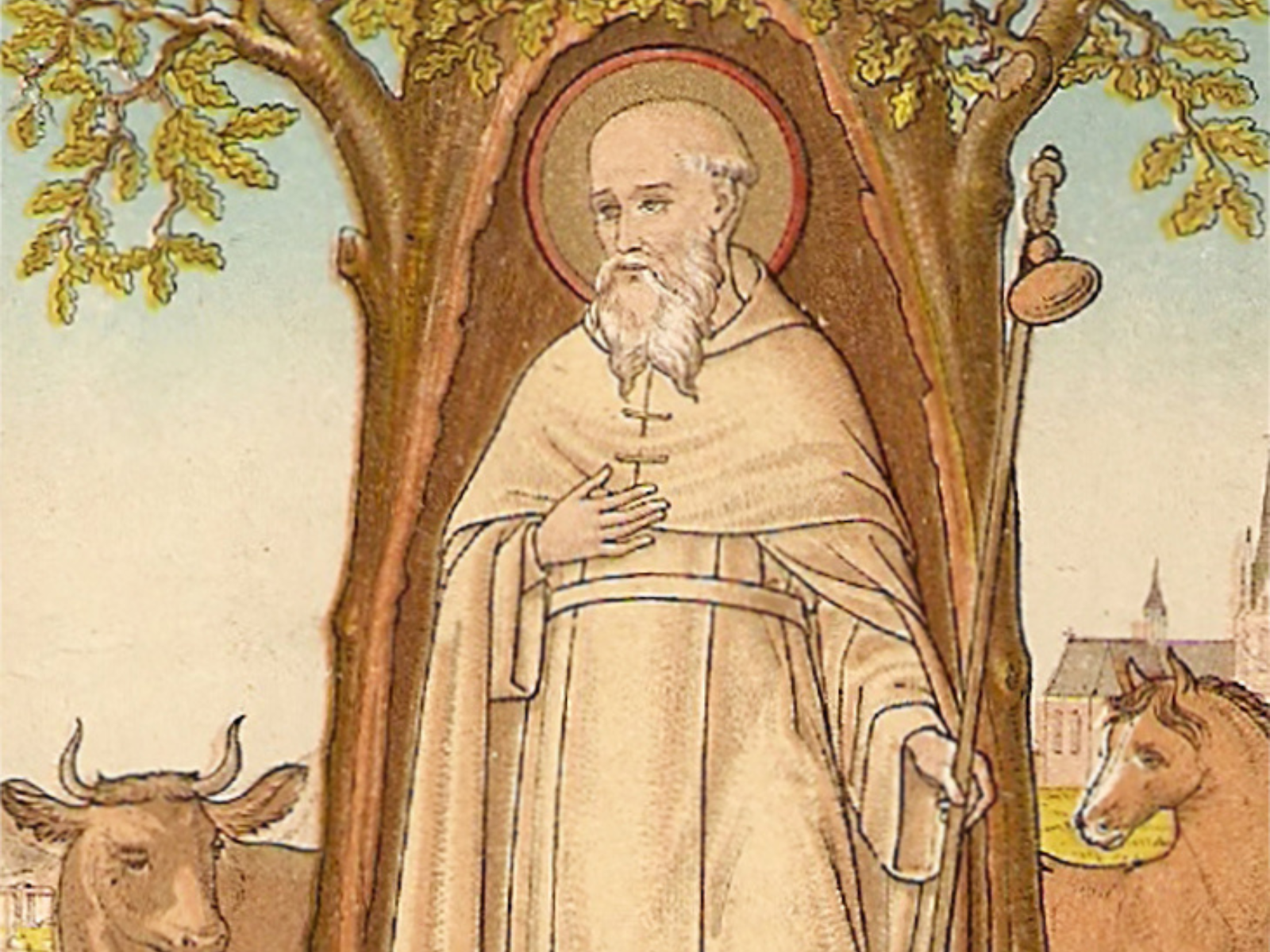
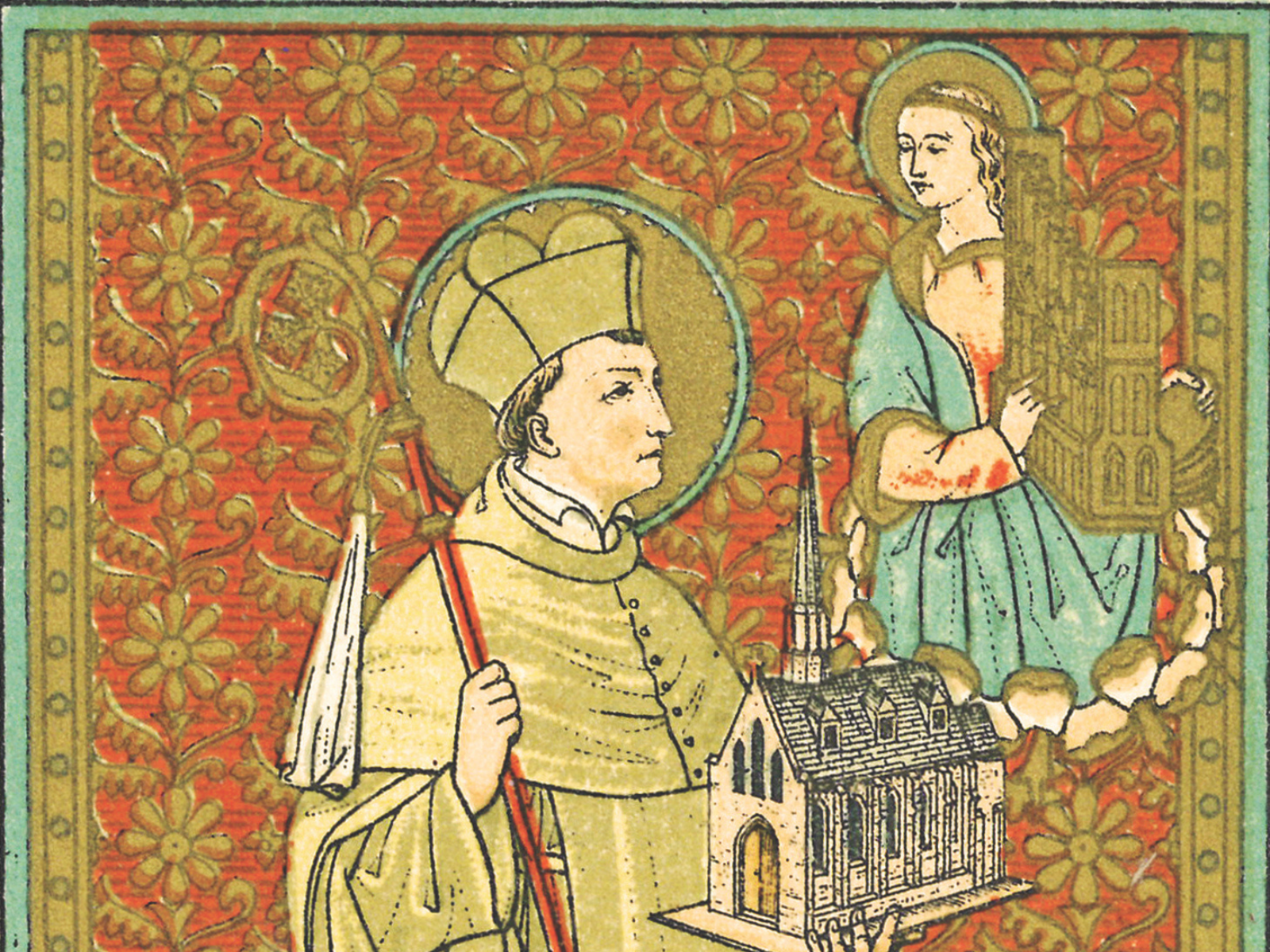
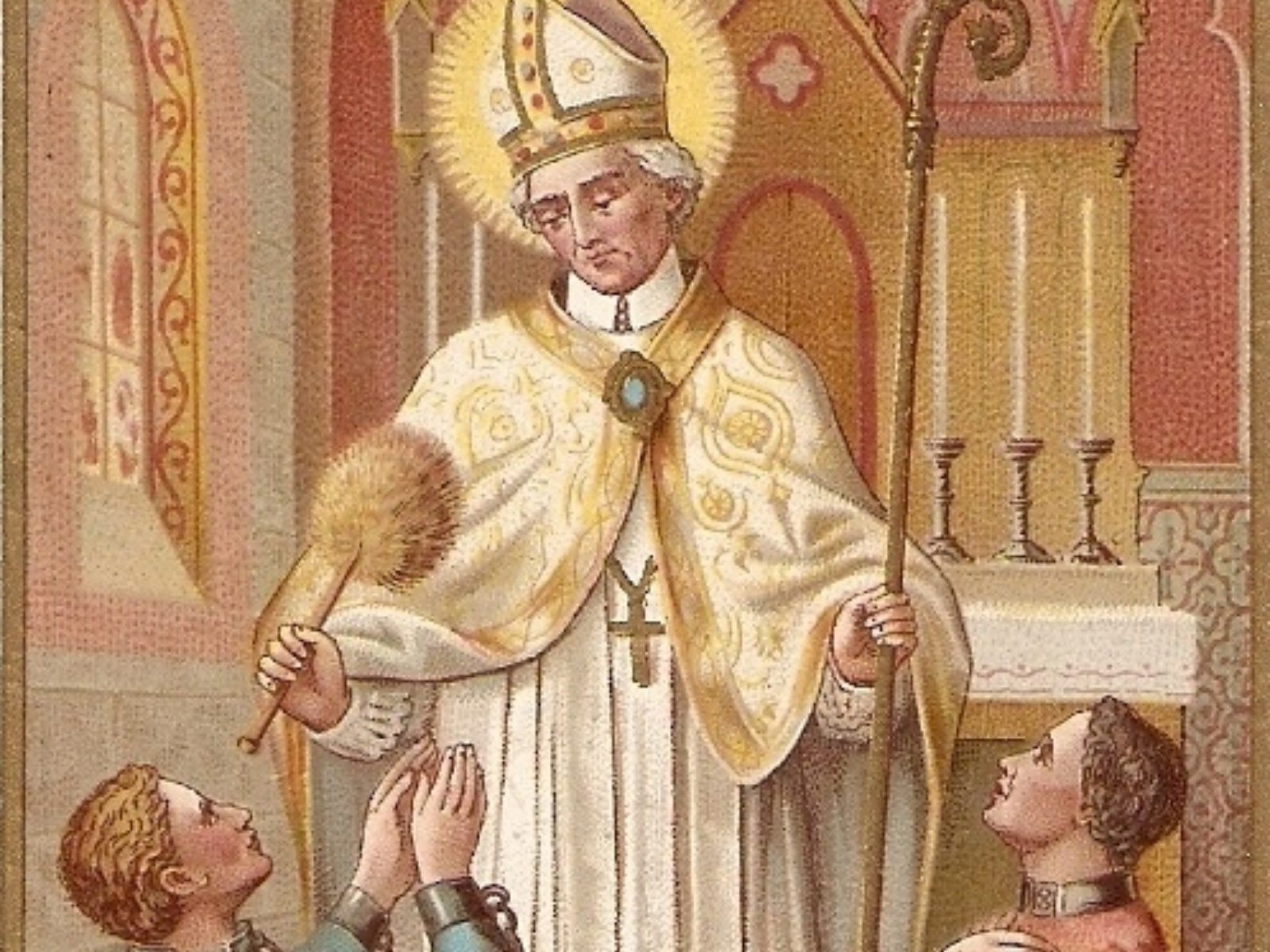
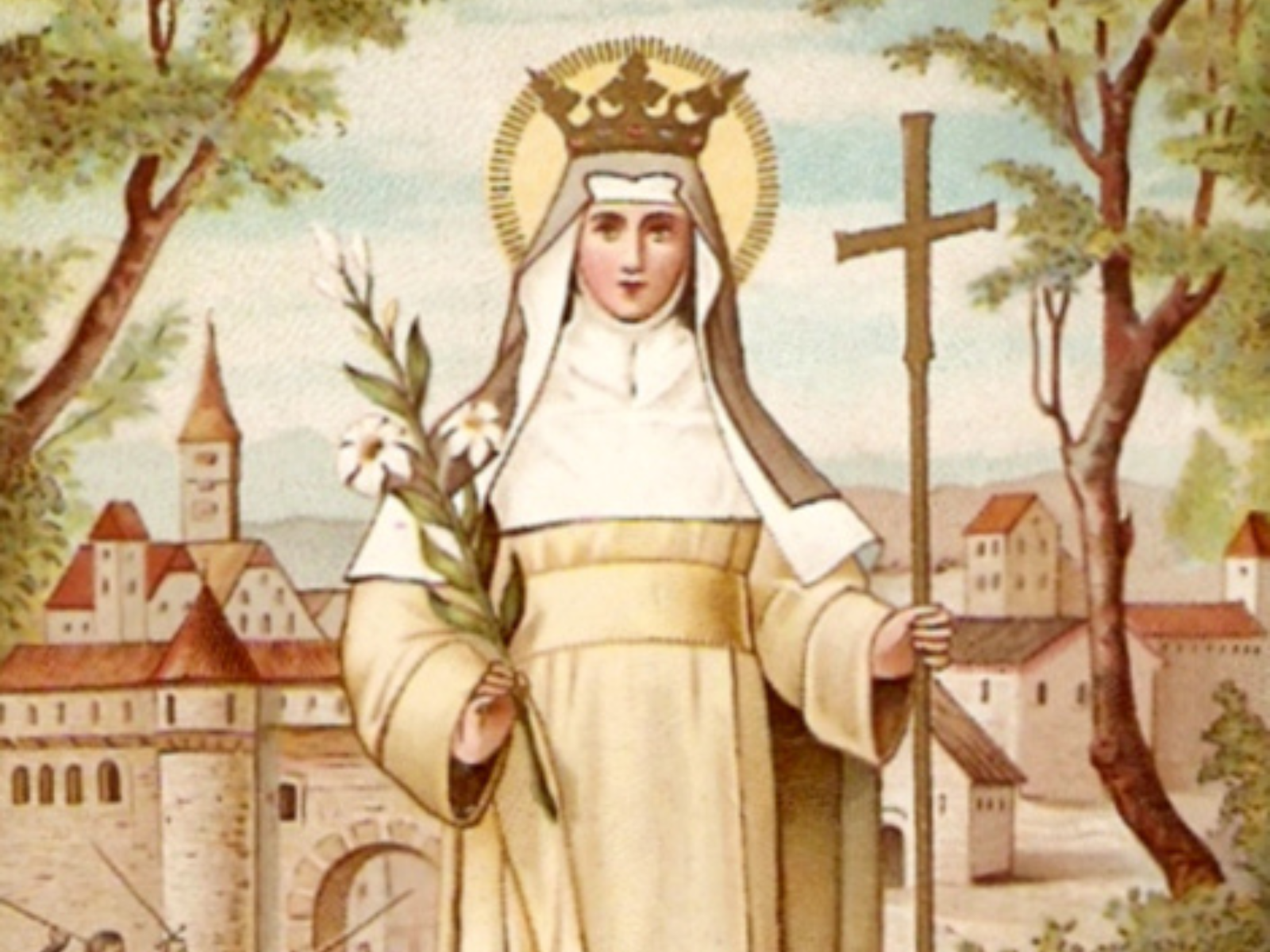
(Saint drawings courtesy of Saint Norbert Abbey, De Pere, Wisconsin.)

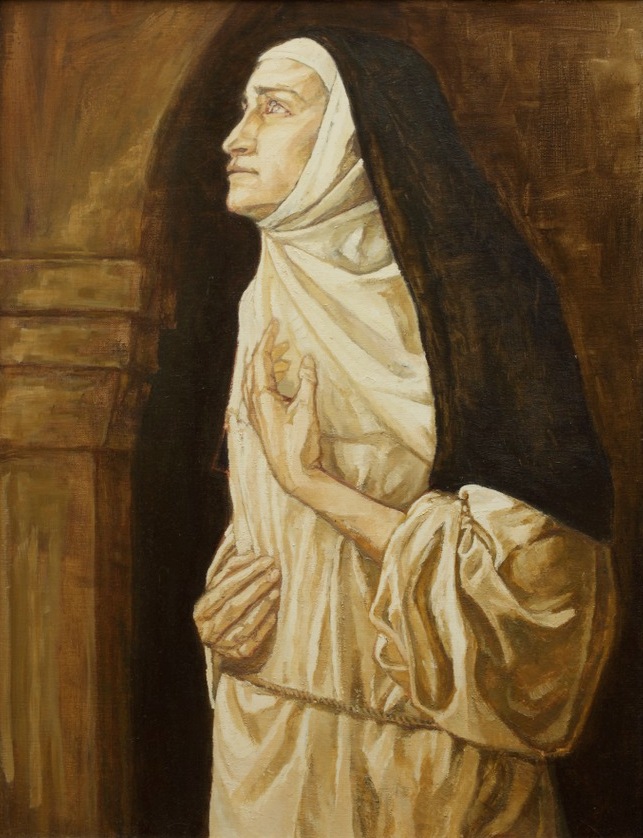
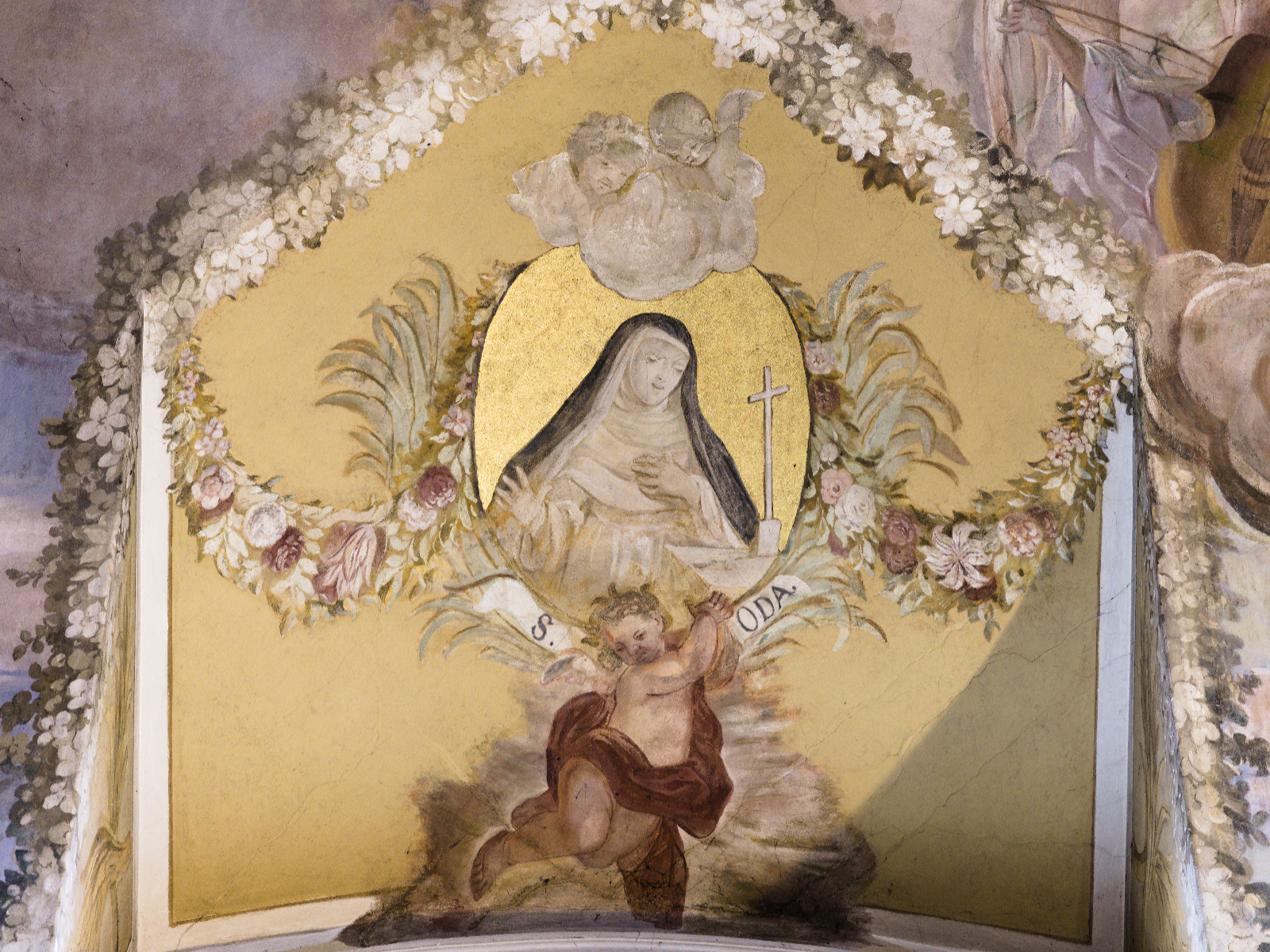
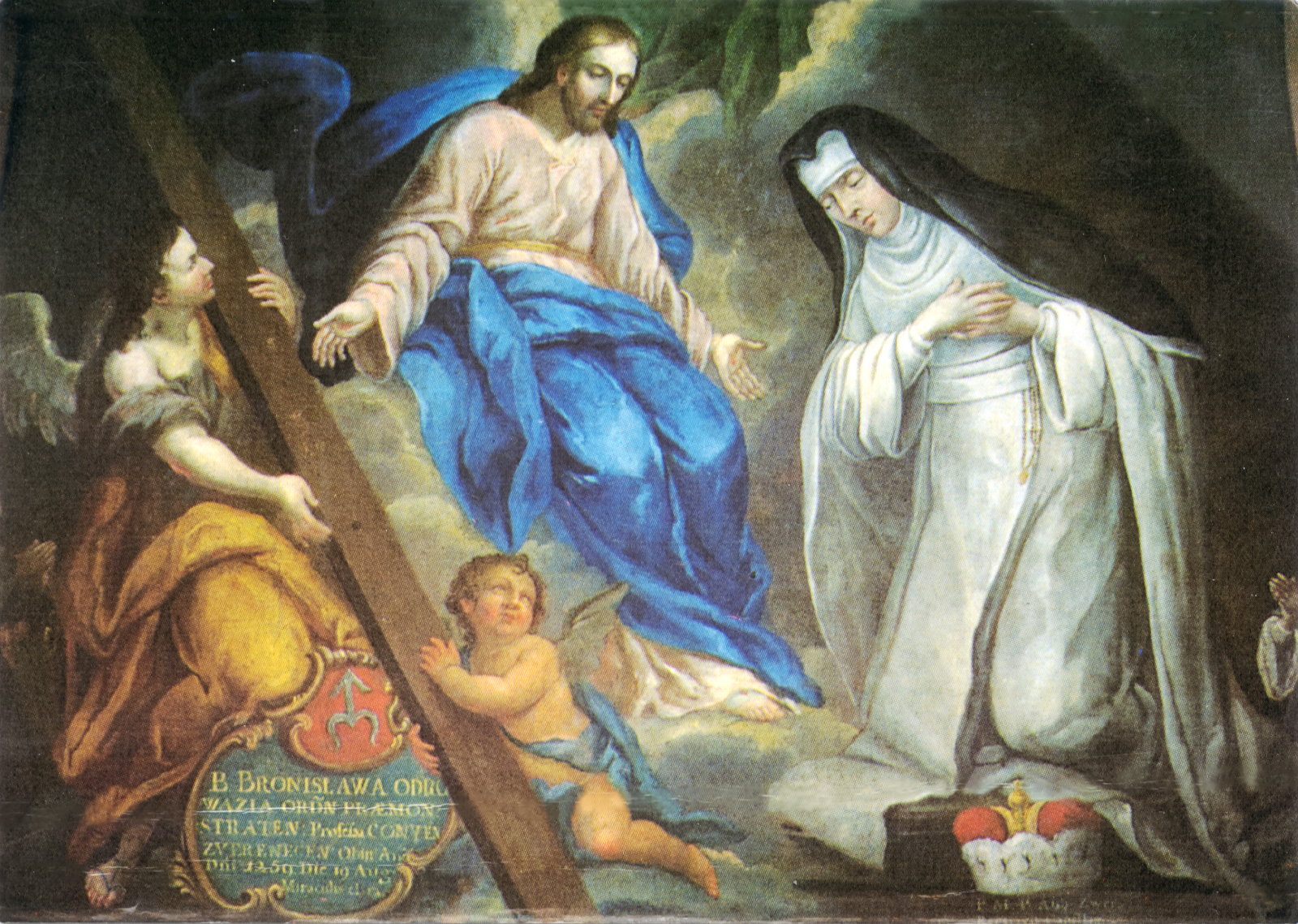
(Artwork courtesy of the Norbertine Sisters of Zsámbék, Hungary)