|
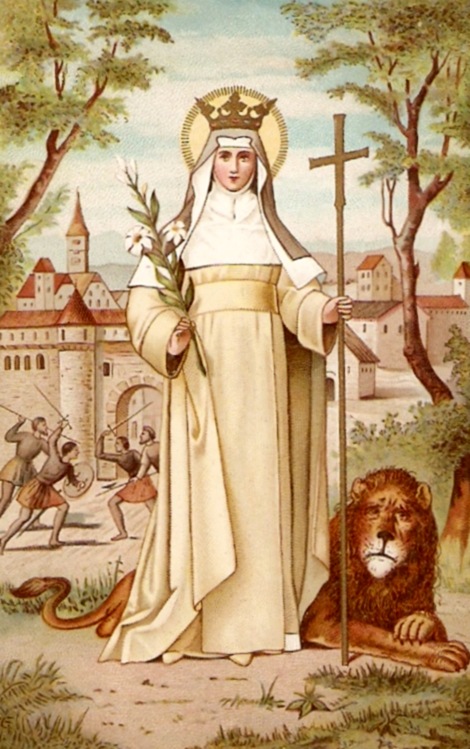
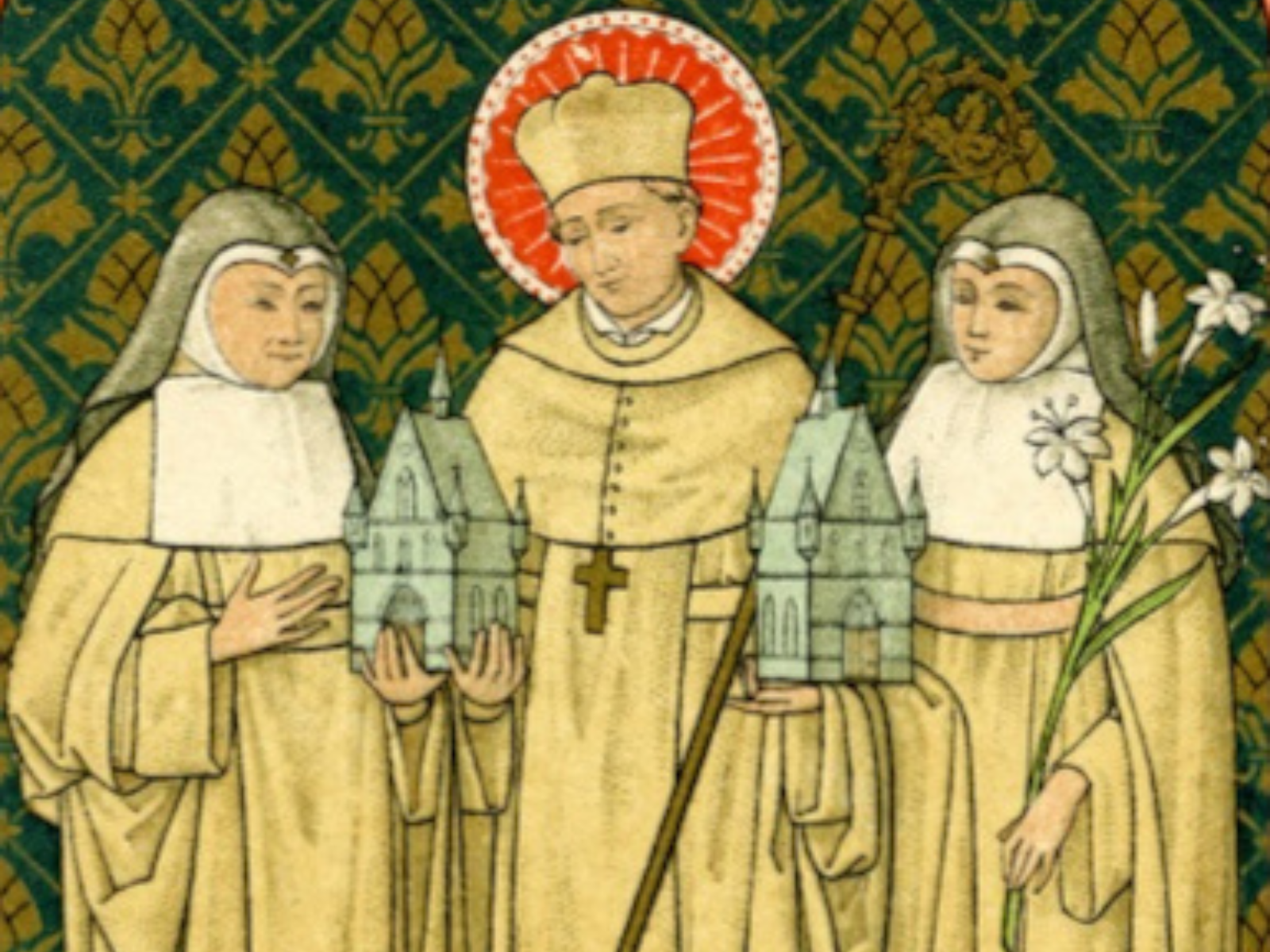
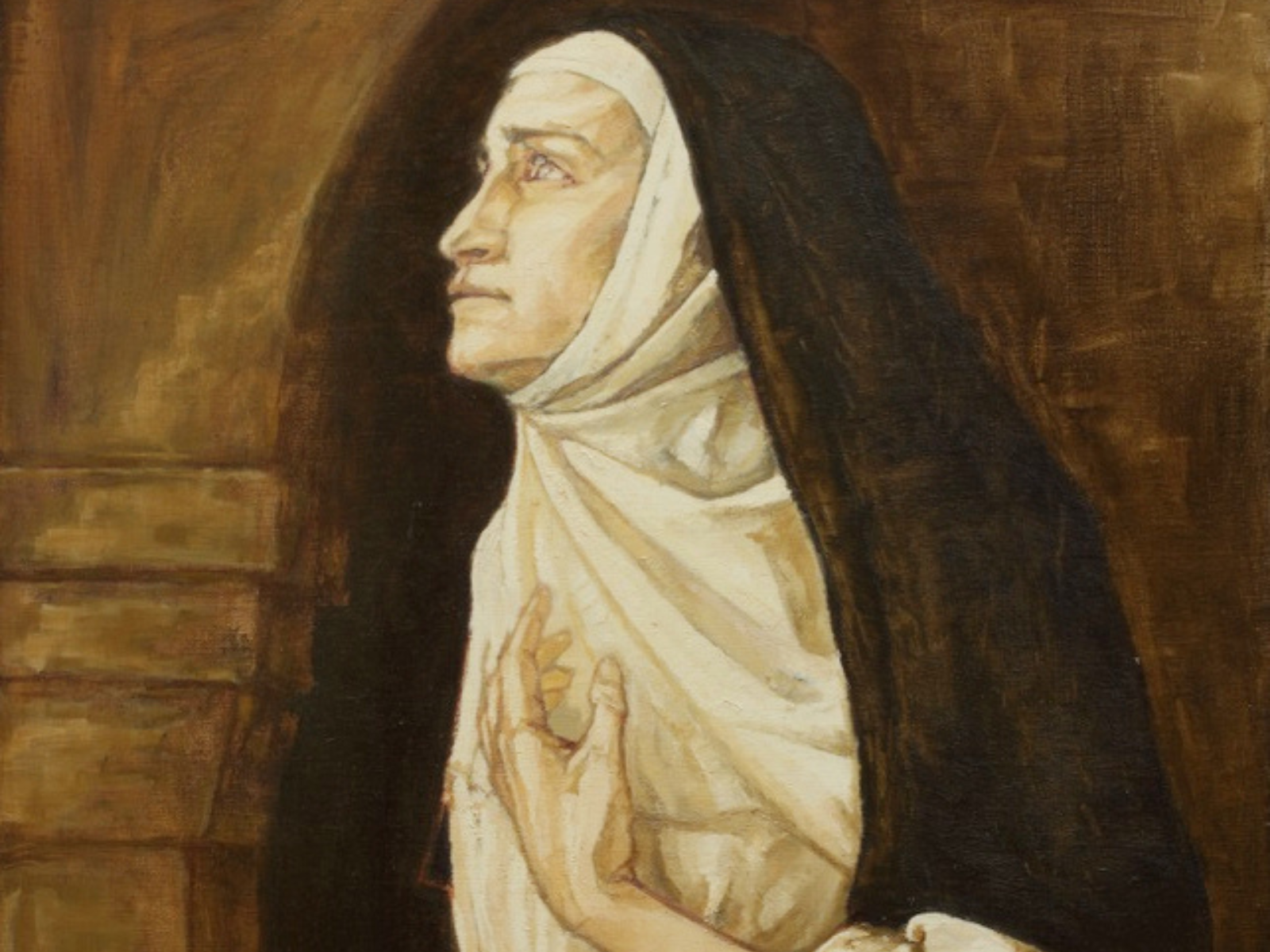
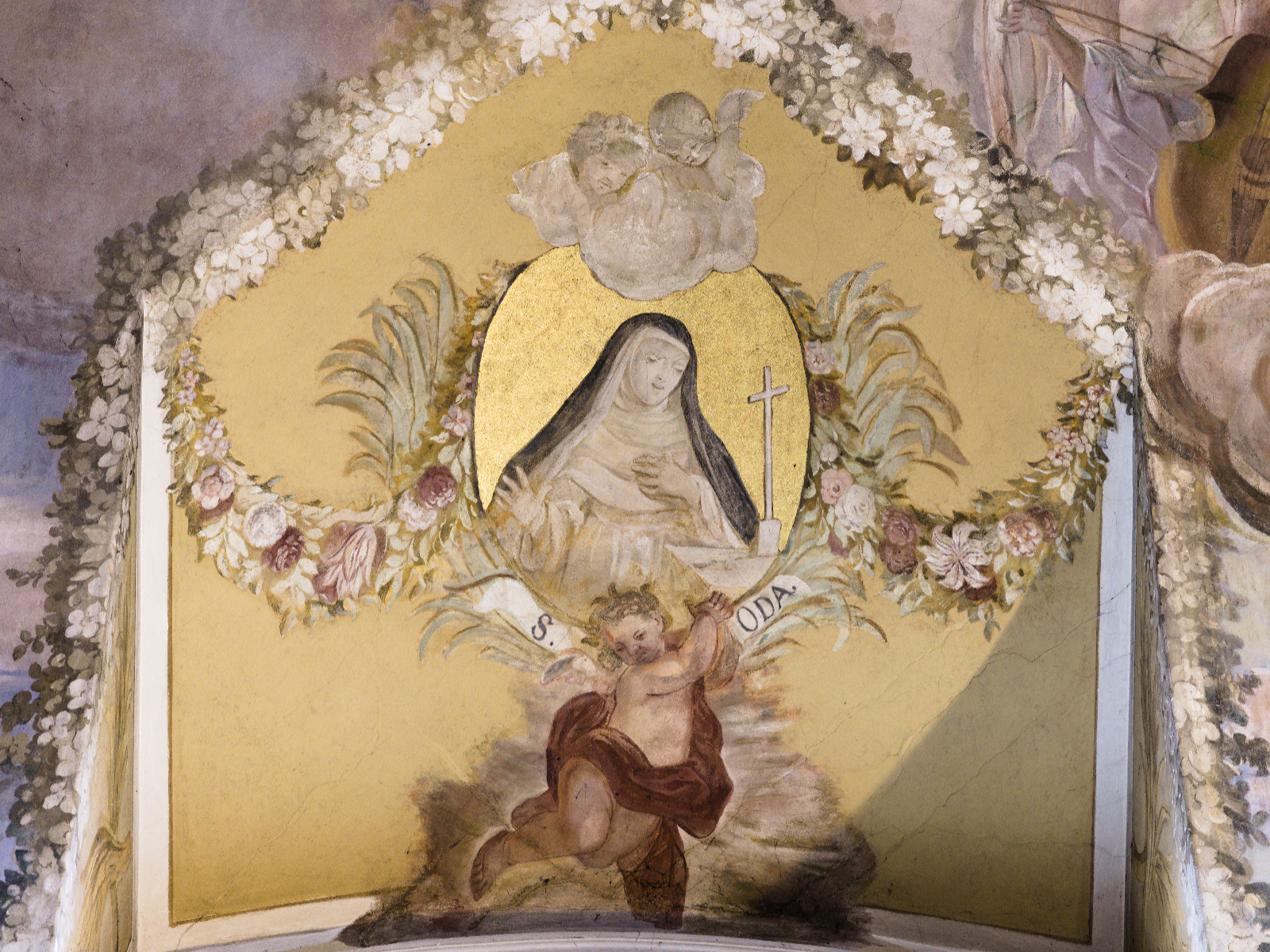
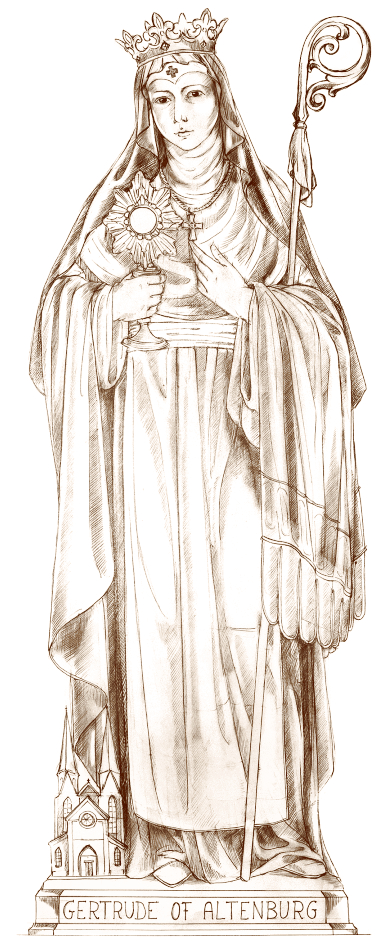 Born in 1227, Gertrude was the youngest of the three children of St. Elizabeth of Hungary. She was dedicated to God in the womb by her father, Blessed Louis of Thuringia, as he prepared to go on crusade. Louis never returned, but Elizabeth kept the vow and placed the one-year-old princess at the Norbertine convent of Altenberg. Elizabeth is said to have appeared to Gertrude after her death in 1231, and the little girl attended her mother’s canonization. Gertrude was elected abbess while still in her early twenties. Altenburg flourished under her holy leadership, and many vocations were attracted by her wisdom. Gertrude also oversaw the expansion of her abbey, building a hospice for the poor and the abbey church. In keeping with Norbertine tradition, the church was dedicated to the honor of the Blessed Virgin, and its secondary patron was St. Michael the Archangel, on whose feast Gertrude was born. Gertrude easily went from such tasks as these to the most humble and menial chores for her sisters and the poor in the hospice. Like St. Norbert, she had a gift for reconciling enemies. When Pope Urban IV called for a new crusade, Gertrude was granted permission for her Sisters to wear the crusader’s cross: their holy sword would be prayers and penance. Whence did she draw all her wisdom, meekness, and fortitude? Gertrude had a truly Norbertine devotion to Christ in the Holy Eucharist, the Source of all virtue. The liturgical feast of Corpus Christi was introduced at this time, but met with much resistance in most places, including Rome. At Altenberg, however, the feast was celebrated with all possible solemnity, beginning in 1270. After prudently ruling her abbey for almost half a century, Gertrude died on August 13, 1297. Born in 1227, Gertrude was the youngest of the three children of St. Elizabeth of Hungary. She was dedicated to God in the womb by her father, Blessed Louis of Thuringia, as he prepared to go on crusade. Louis never returned, but Elizabeth kept the vow and placed the one-year-old princess at the Norbertine convent of Altenberg. Elizabeth is said to have appeared to Gertrude after her death in 1231, and the little girl attended her mother’s canonization. Gertrude was elected abbess while still in her early twenties. Altenburg flourished under her holy leadership, and many vocations were attracted by her wisdom. Gertrude also oversaw the expansion of her abbey, building a hospice for the poor and the abbey church. In keeping with Norbertine tradition, the church was dedicated to the honor of the Blessed Virgin, and its secondary patron was St. Michael the Archangel, on whose feast Gertrude was born. Gertrude easily went from such tasks as these to the most humble and menial chores for her sisters and the poor in the hospice. Like St. Norbert, she had a gift for reconciling enemies. When Pope Urban IV called for a new crusade, Gertrude was granted permission for her Sisters to wear the crusader’s cross: their holy sword would be prayers and penance. Whence did she draw all her wisdom, meekness, and fortitude? Gertrude had a truly Norbertine devotion to Christ in the Holy Eucharist, the Source of all virtue. The liturgical feast of Corpus Christi was introduced at this time, but met with much resistance in most places, including Rome. At Altenberg, however, the feast was celebrated with all possible solemnity, beginning in 1270. After prudently ruling her abbey for almost half a century, Gertrude died on August 13, 1297.
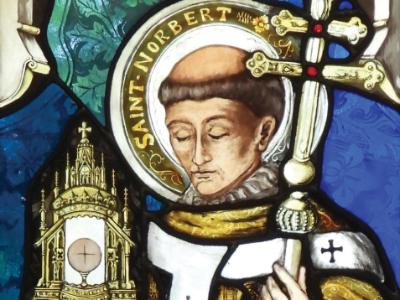
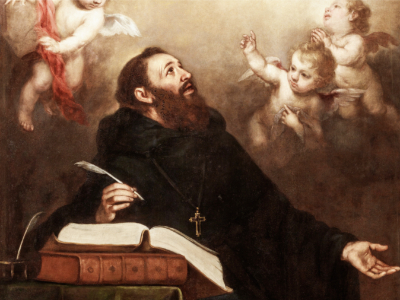
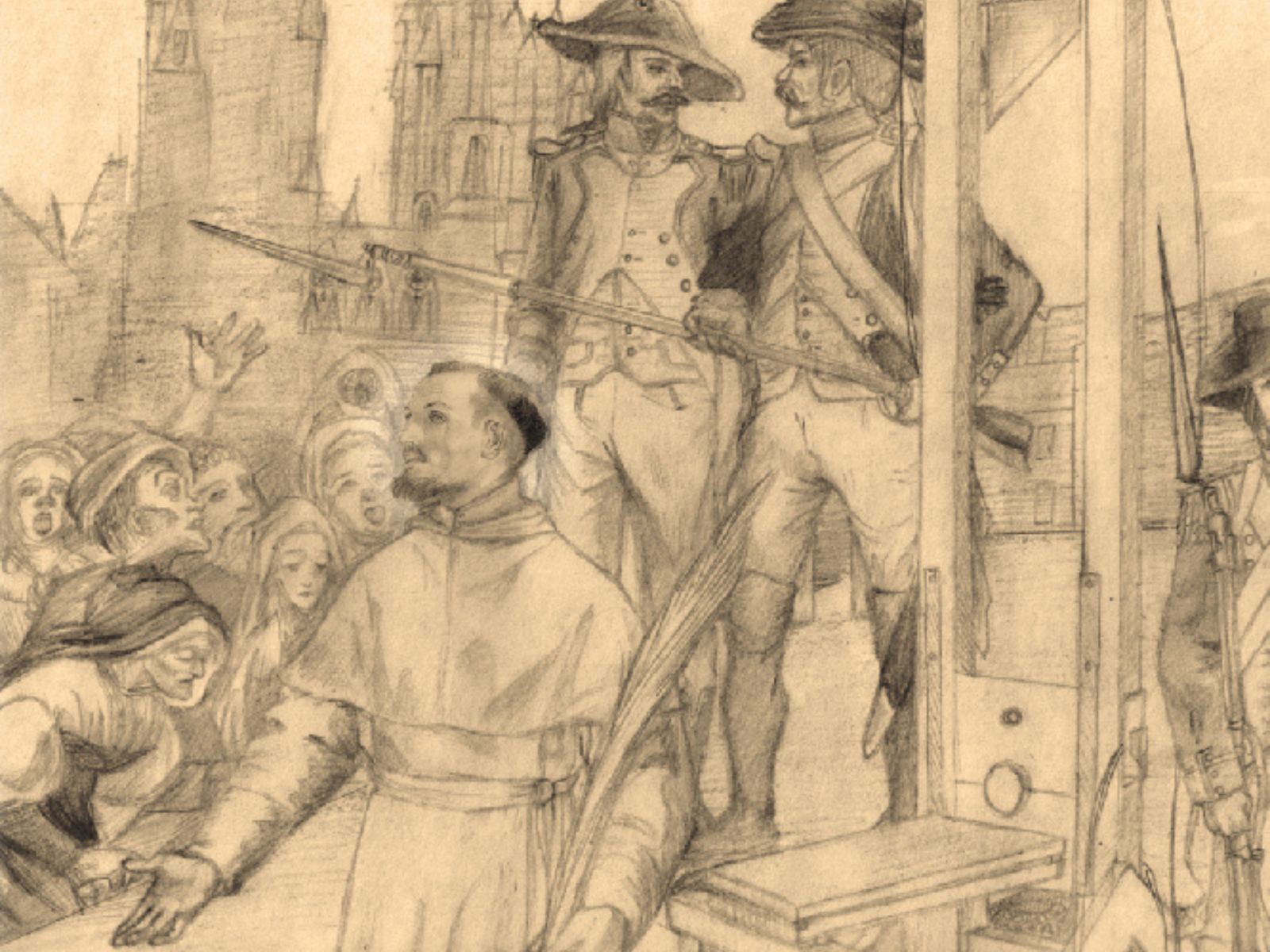
(Saint drawings courtesy of Saint Norbert Abbey, De Pere, Wisconsin.)
|