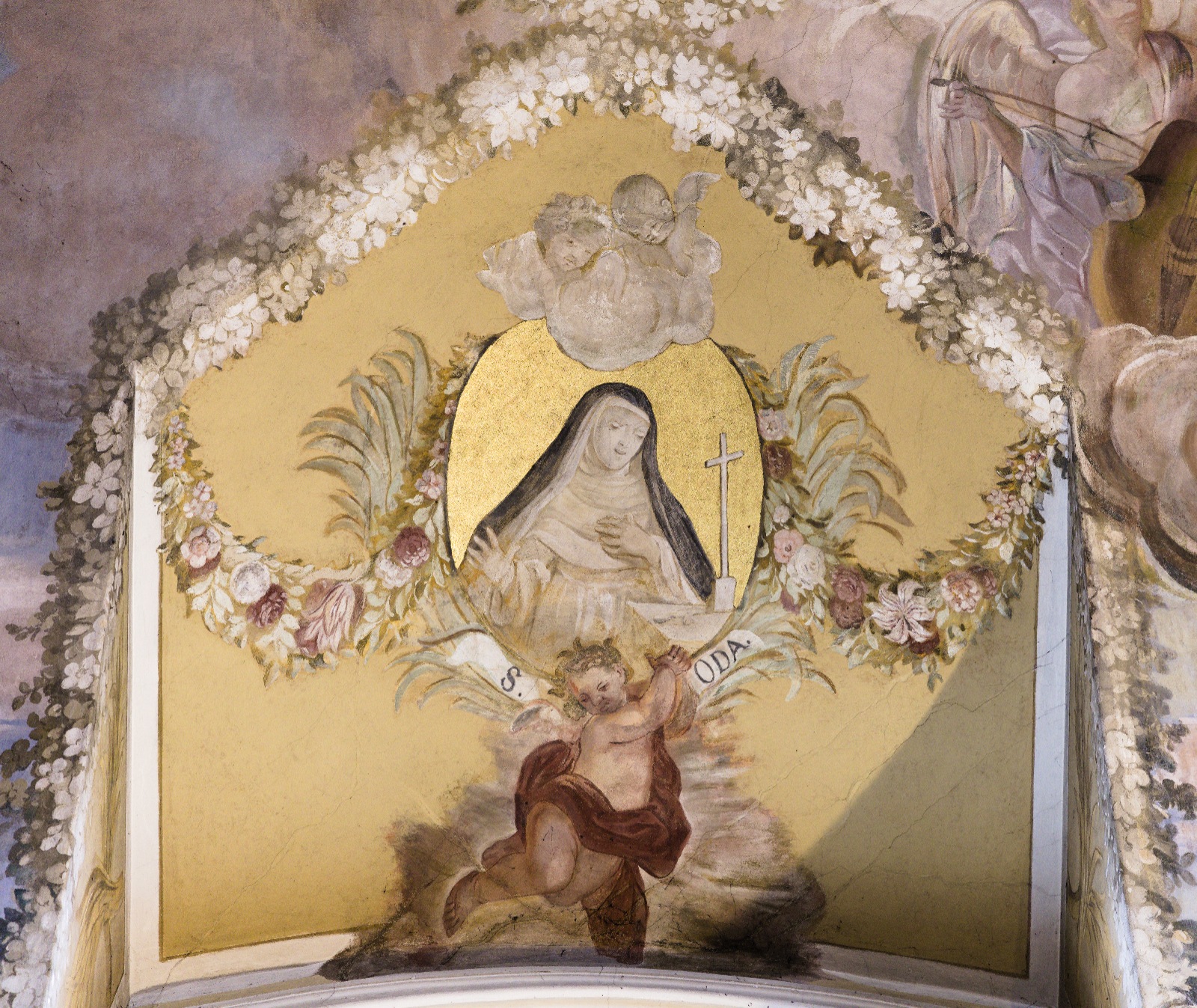


Blessed Oda of Bonne-Ésperance
Feastday: April 18
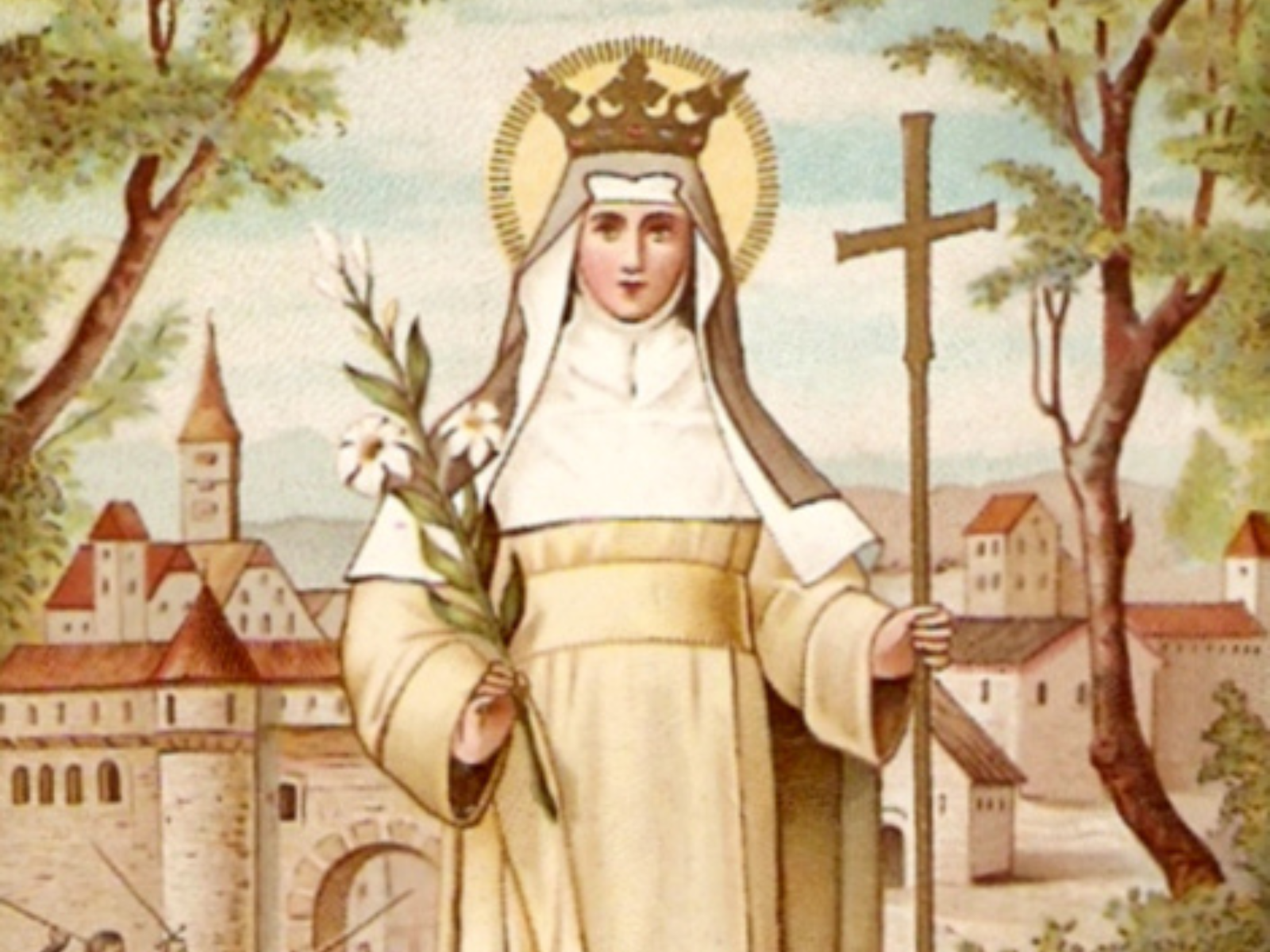
“When Oda was made prioress, she was not puffed up with pride because of her responsibility; rather, the added obligation of more complete service made her still more humble and devout. Viewing herself more as a mother than a leader, she nurtured her daughters with warmth and encouraged them to the summits of religious life so that they all gave her filial love and respect, rejoicing under her leadership and example to be directed to their betterment.”(From the Life of Oda)
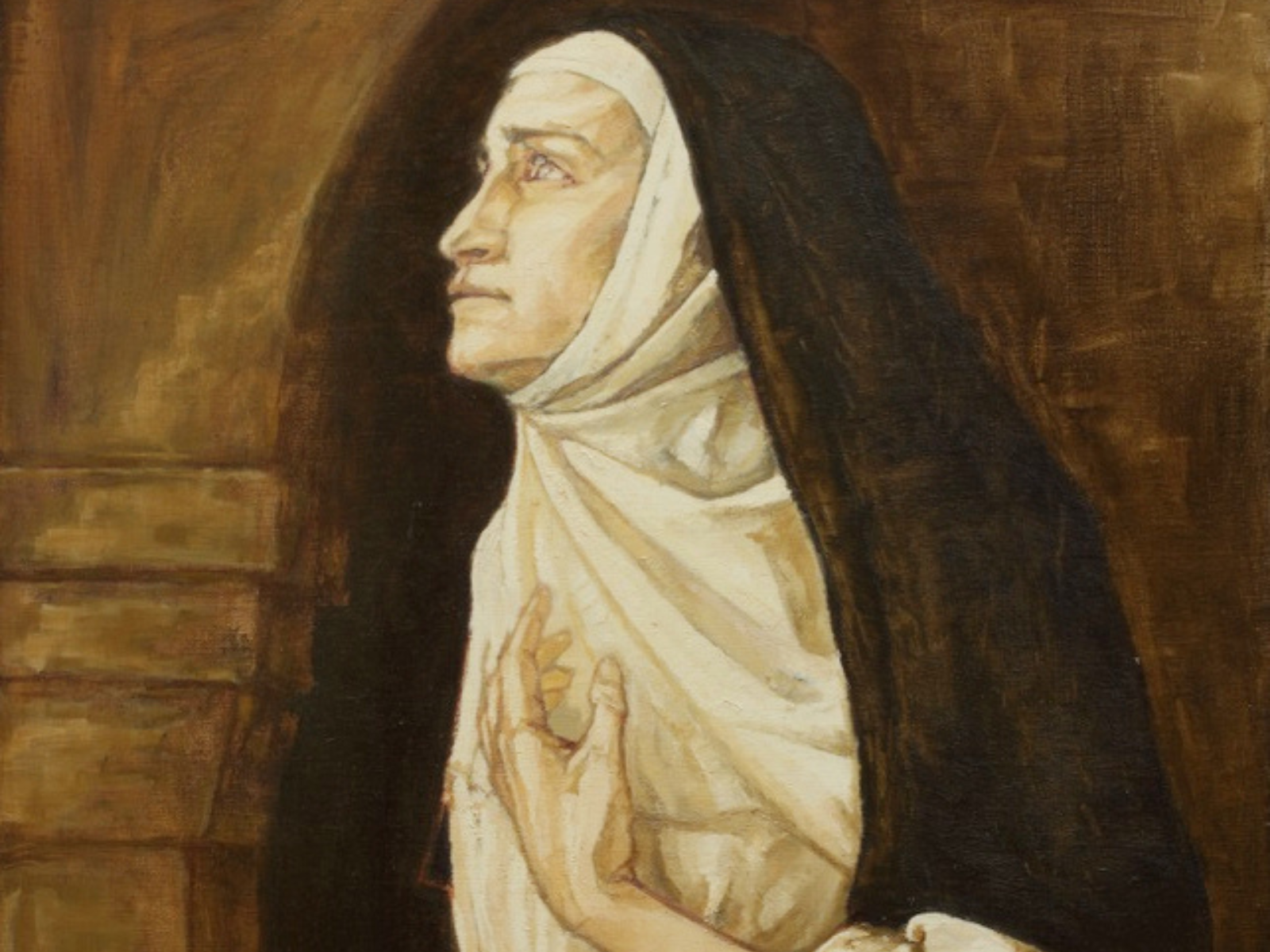
 Oda was about fourteen when St. Norbert died. She was from a noble Christian family of France, but her love for God and life of prayer were far greater than her relatives could understand. Since she was as yet too young to enter a convent, she made a secret vow of chastity. Not even her parents knew about it until the day the marriage which they had arranged for Oda was to take place. In front of the priest and the whole congregation, Oda announced that she was not free to marry her suitor because she had already given herself to Christ. In the commotion which ensued, Oda fled to her room and attempted to cut off her nose with a sword, thinking that no one would want to marry a disfigured girl. Seeing their daughter’s iron resolution, her parents gave in. Oda was taken to a Norbertine convent near Bonne-Ésperance.
Oda’s resolution to follow Christ alone, which had manifested itself so dramatically, reached ever-new heights during her religious life, as she “applied all her effort to walking according to the way of the Evangelical institution." She considered every sacrifice sweet, because each came from the hand and heart of her Beloved. One remarkable test of her love came in the form of an infection which looked like leprosy. Oda was isolated from the community for fear of contagion, but she bore this humiliation with great patience. After she recovered, she was allowed to return, bearing no resentment for the past.
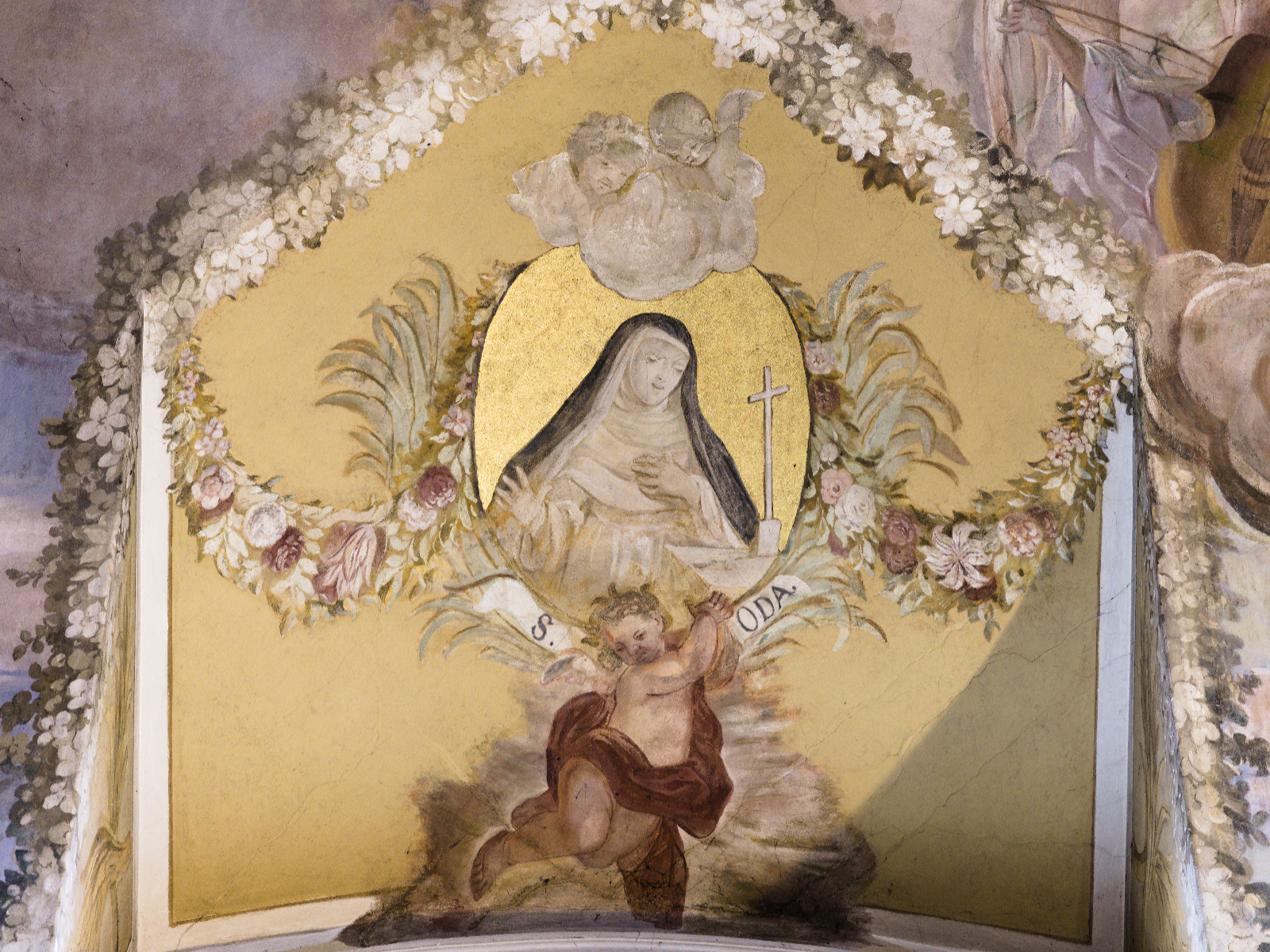
Recognizing Oda’s virtue, her sisters elected her prioress. In doing so they gained an affectionate and encouraging mother, a leader to the summits of perfection, a representative of Christ whom they could deeply respect and love, a shining example of a true Augustinian superior. The poor and sick beyond the cloister walls, too, found her a compassionate mother. Having given herself entirely to God and neighbor during her relatively brief pilgrimage on earth, Oda went to her eternal reward on Easter Sunday 1158 amidst the prayers and tears of her sisters. As her biographer, Philip of Harvengt, commented, her life was indeed an “ode” to the honor of God.
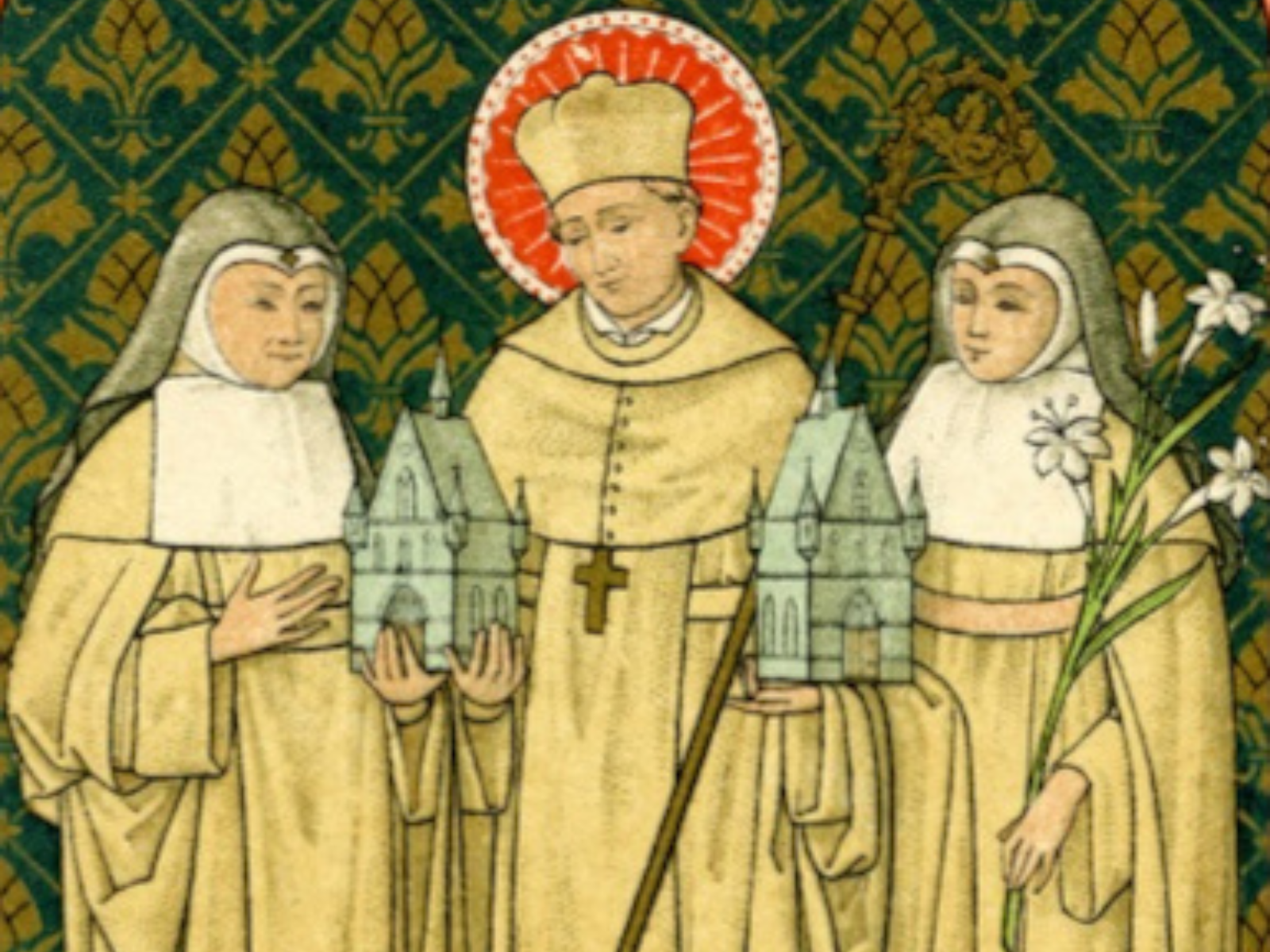
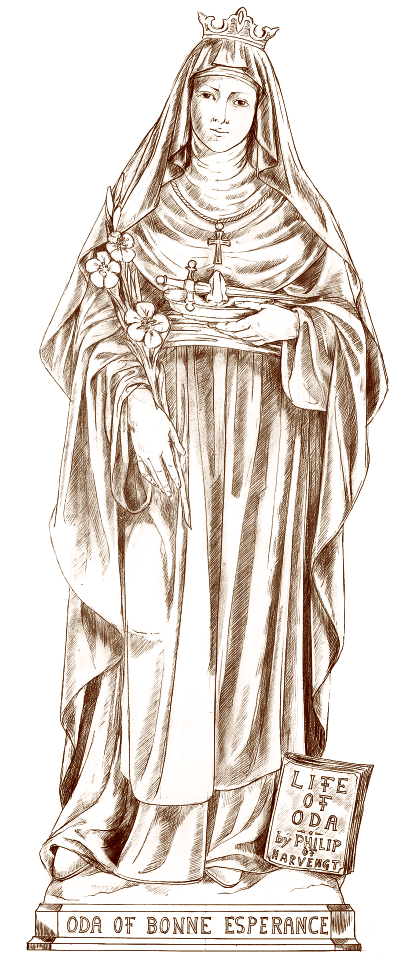
(Saint drawings courtesy of Saint Norbert Abbey, De Pere, Wisconsin.)